

Written by Aremuorin / Contact / Mailing List / Telegram
“If we can’t confront the silence, how can we ever hope to stop it? Do you even recognize the silence when it’s happening?”

In a world that prides itself on the voice of the individual, it is ironic how many people remain shrouded in silence. Not the kind of silence that accompanies peace, but the crushing silence of those who choose, or feel compelled, to suppress their truths. Some endure, others break; and tragically, many carry their silence to the grave.
This unspoken resignation to life’s injustices—be they personal, professional, or societal—is not a phenomenon of the weak or the timid. It is a universal human experience, often cloaked in dignity and misunderstood as strength. Yet, speaking up, we know, is not just an act of defiance or catharsis; it is an act of survival. Sometimes, you have to speak up, for silence has an uncanny way of devouring the very essence of one’s soul.
The Silence That Kills
Consider the case of Aaron Swartz, a brilliant programmer, activist, and co-founder of Reddit. Swartz, a powerful advocate for open access to information, found himself ensnared in a legal battle with the U.S. government over his activism. Despite his success and intelligence, Swartz’s internal struggles with the pressures of legal threats and depression remained largely concealed. His tragic suicide at 26 left the world reeling, and yet, his silent battle was known to only a few. Here lies the cruel irony: a man whose life’s work was predicated on freedom of expression succumbed to the prison of his own unspoken torment.
Swartz’s story is a reminder that silence, especially in the face of overwhelming adversity, can be a dangerous cloak. The external world may mistake quiet perseverance for resilience, but internally, it can be the slow disintegration of a person’s will to live. His story is not an outlier but an emblem of many lives lived in quiet despair.
When Silence is Cultural
The phenomenon of silence is not limited to individual struggles—it often has deep cultural roots. A case in point is the way mental health is treated in certain African societies. Stigma and cultural expectations silence those grappling with depression, anxiety, and trauma. Take the case of a young Nigerian woman, Adeola, who battled depression for years without ever seeking professional help, due to the cultural pressures to “pray away” her struggles. Adeola’s silence wasn’t born out of a personal failing, but rather from a collective social structure that dismissed mental health as a Western concept. It took her moving to the West before she sought therapy and began the long process of healing.
Cultural silence is a double-edged sword—on one side, it allows societies to maintain their customs, beliefs, and traditions; on the other, it becomes a prison for those whose needs contradict the norm. Speaking up within these societies is not only an act of rebellion but an essential plea for reform.
Silence in the Workplace: The Cost of Suppression
In the professional realm, silence often manifests in the form of career stagnation or even burnout. Take the case of Susan Fowler, an engineer at Uber, whose 2017 blog post exposed the toxic culture of sexual harassment and discrimination within the company. Prior to her post, Fowler had reported multiple instances of harassment to HR, only to be met with silence. Fowler’s decision to speak out publicly was not just career-defining—it catalyzed a larger movement, culminating in the resignation of Uber’s CEO and the overhaul of its workplace policies.
Fowler’s case underscores the power of speaking up—not only for oneself but for the broader community. It begs the question: how many remain silent in similar circumstances, trapped in jobs where they are marginalized, harassed, or discriminated against? The silence may seem professional or even self-protective in the short term, but it has a long-term cost—not only to the individual but to the organization as a whole.

Speaking Up is Radical Empathy
The common thread across these examples is the power of speaking up, not merely as an act of self-preservation but as an assertion of human dignity. To speak up is not merely to save oneself, but to lift the silence that envelops others. When you find your voice, you create space for others to find theirs.
As the saying goes, “Your silence will not protect you,” attributed to the legendary author and activist Audre Lorde. It is a reminder that silence is not merely a passive state—it is an active participation in one’s own oppression. The risk of speaking up, though real, pales in comparison to the slow erosion that silence brings.
To those who suffer in silence, you are not alone. Your voice, once raised, may shake the walls of your personal prison and topple the structures that keep others confined. Silence is not peace—it is the absence of sound where resistance should roar.
Speak up. Not only for yourself but for those whose silence will be their end.
Aremuorin
aremuorinspeaks
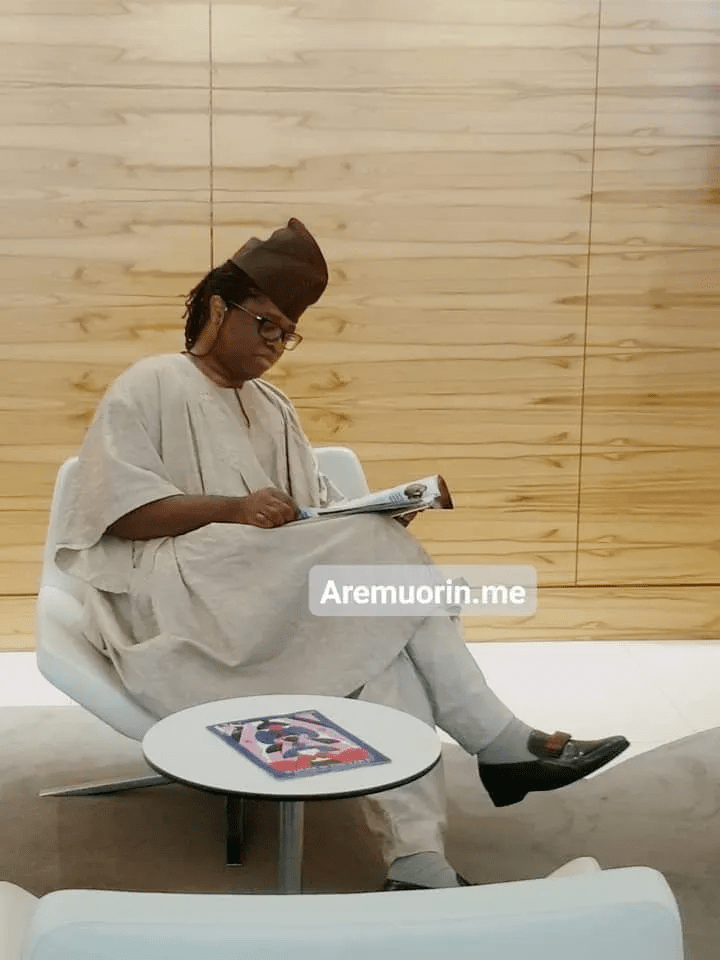
Àrèmúorin is a distinguished Multi Awardee Conscious Writer and accomplished Holistic Jazz-Soul Singer-Songwriter & Producer, reigning at the No. 1 spot on the Jazz Charts for over 49 weeks. He held the top 10 spot for over 490 weeks.
Aremuorin, a renowned polymath holding dual honorary doctoral degrees and serving as a UN Ambassador, is celebrated for his captivating musical creations and profound literary works.
Originating from Nigeria and currently situated in the United Kingdom, his artistic prowess transcends diverse creative domains, marking him as a truly versatile virtuoso.
Don’t forget to subscribe like, share or comment below. Thank You.
(C) 2024 Aremuorin – All Rights Reserved
 Aremuorin™
Leave a comment