

Written by Aremuorin / Contact / Mailing List / Linktree / Latest Post – Let’s Connect !!! (C) 2025 Aremuorin – All Rights Reserved
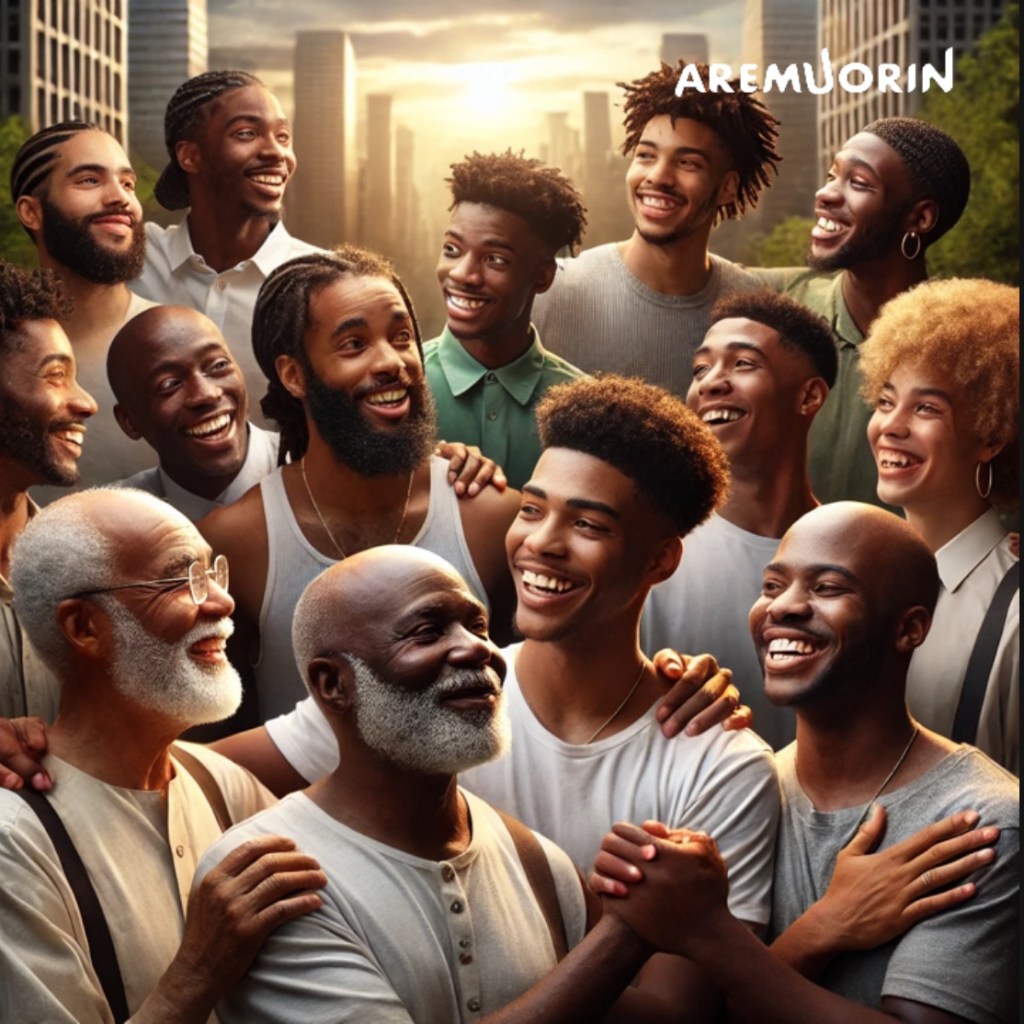
While the struggles of LGBTQ+ Black boys and men are profound, it’s equally critical to examine how the narrative impacts straight Black men who defy societal expectations of masculinity. These men are often labeled as “zesty” simply for expressing joy, showing brotherly affection, or supporting LGBTQ+ individuals. This labeling not only stifles their emotional authenticity but also perpetuates divisive stereotypes that harm communities at large.
Straight Black Men and the Burden of Mislabeling:
Joy as a Threat to Masculinity
For many straight Black men, the act of laughing freely, dancing, or embracing a friend is fraught with judgment. These innocent expressions of humanity are often misinterpreted as a lack of masculinity or sexual ambiguity.
Case Study:
David, a 28-year-old entrepreneur, shared how colleagues teased him for being “too close” with his male business partner, even though their bond was purely platonic. This persistent labeling strained his confidence and made him hesitant to show affection openly, even toward family members.
Psychological Impact:
• Emotional Suppression: Straight Black men often feel compelled to suppress joy, humor, or kindness to avoid ridicule.
• Social Isolation: The fear of mislabeling can lead to isolation, limiting meaningful connections.
• Perceived Vulnerability: Society often equates kindness with weakness, putting additional pressure on straight Black men to “prove” their masculinity.
Intersectionality: Straight Allies in a Misunderstood Role:
Advocates or Targets?
Straight Black men who openly support the LGBTQ+ community face unique challenges. Their willingness to embrace diversity and equality is often misconstrued as aligning with or embodying the very identities they champion.
Consequences:
1. Professional Misjudgment:
• In workplaces, straight men advocating for inclusivity may face subtle discrimination, being perceived as “too soft” or overly progressive.
2. Family and Community Backlash:
• Some family members may view their acceptance of LGBTQ+ individuals as a betrayal of cultural or religious values.
3. Mischaracterization:
• Their advocacy is often overshadowed by baseless assumptions about their sexuality, detracting from the importance of their message.
The Broader Impact on Black Communities:
Divisive Narratives
The mislabeling of straight Black men further exacerbates divisions within Black communities. By forcing individuals into rigid categories, this narrative creates unnecessary tension and mistrust.
Examples:
• Social Dynamics: Men avoid close friendships with other men to evade suspicion, weakening support networks.
• Economic Impacts: Collaborative efforts in business or activism are stifled when bonds are undermined by stereotypes.
• Political and Cultural Stagnation: The inability to embrace diverse forms of masculinity limits representation and hinders progress.
Changing the Narrative: Straight Men as Allies and Individuals:
Celebrating Authenticity
It’s time to create a space where straight Black men can express joy, love, and allyship without fear of labels or judgment.
1. Highlight Diverse Role Models:
• Celebrate straight Black men who defy stereotypes, from athletes to artists, for their emotional openness and advocacy for equality.
2. Normalize Kindness and Affection:
• Public figures and influencers can lead by example, showing that brotherly love and LGBTQ+ advocacy are signs of strength, not weakness.
3. Community Conversations:
• Foster dialogues within families, schools, and churches to challenge toxic ideas about masculinity.
4. Media Representation:
• Showcase stories of straight Black men who embody joy, kindness, and inclusivity in films, books, and television.
Case Study: The Advocate
Marcus, a straight Black father of three, became an outspoken advocate for LGBTQ+ rights after his brother came out as gay. Despite receiving criticism from his religious community, Marcus continued to support his brother publicly. Over time, his actions inspired others in his church to reexamine their biases, demonstrating the power of allyship rooted in love and understanding.
Reflection and Call to Action
This expanded narrative is not just about dismantling harmful labels but about creating a culture where all Black men—gay, bisexual, or straight—can thrive as their authentic selves. Black masculinity is not monolithic. It is as diverse as the individuals it encompasses, and it’s time we celebrate this diversity.
Final Action Steps:
• Reimagine masculinity: Engage in discussions that challenge outdated norms and embrace emotional expression.
• Support allies: Recognize and uplift straight Black men who advocate for equality and diversity.
• Spread the message: Share stories of joy, kindness, and advocacy to normalize a new narrative.
Hashtags:
#RedefiningMasculinity #BlackMenJoy #LGBTQAllyship #BreakTheStereotypes #CommunityHealing
By broadening this conversation, we take another step toward a future where Black boys and men can live without fear of judgment or limitation, embodying the full spectrum of their humanity. This is not just about individual liberation—it’s about the collective healing and empowerment of entire communities. Let’s make that vision a reality.
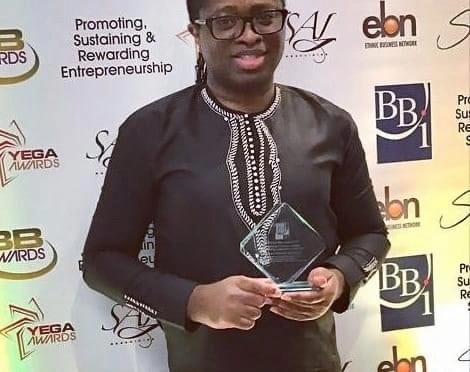
Aremuorin is a multi-award-winning artist, writer, and humanitarian, known for his unique fusion of music, writing, and advocacy. With a focus on empowerment and social justice, his work aims to inspire, educate, and uplift communities worldwide. Aremuorin has been honored with numerous accolades, including awards in the UK, USA, and Africa, and holds two honorary doctorate degrees for his contributions to both the arts and humanitarian work. His artistry goes beyond entertainment, as he uses his platform to bring attention to issues of mental health, social change, and cultural pride.

 Àrèmúorin™ | Award-Winning Jazz, Soul & Inspirational Artist
Leave a comment