
Written by Aremuorin / Contact / Mailing List / Linktree / Latest Post – Let’s Connect !!!
Introduction: The Power of Belief
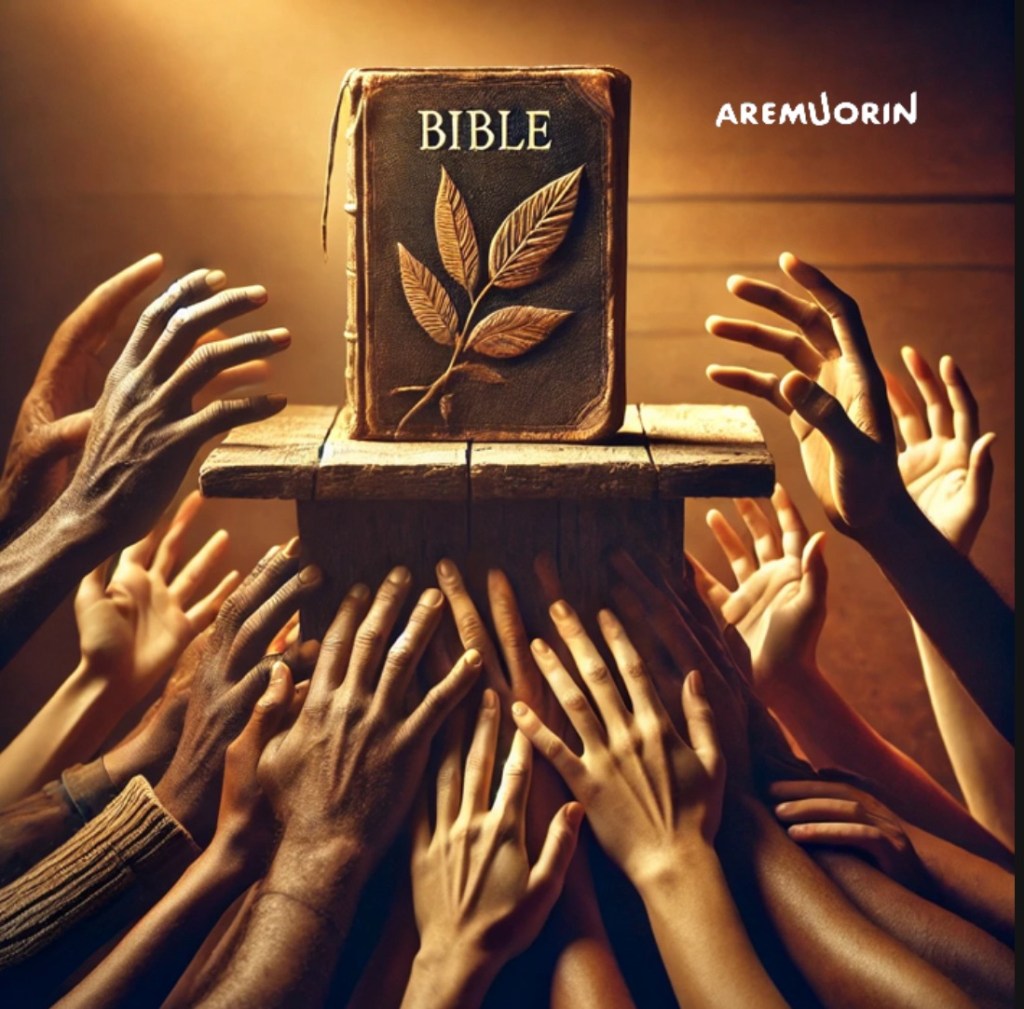
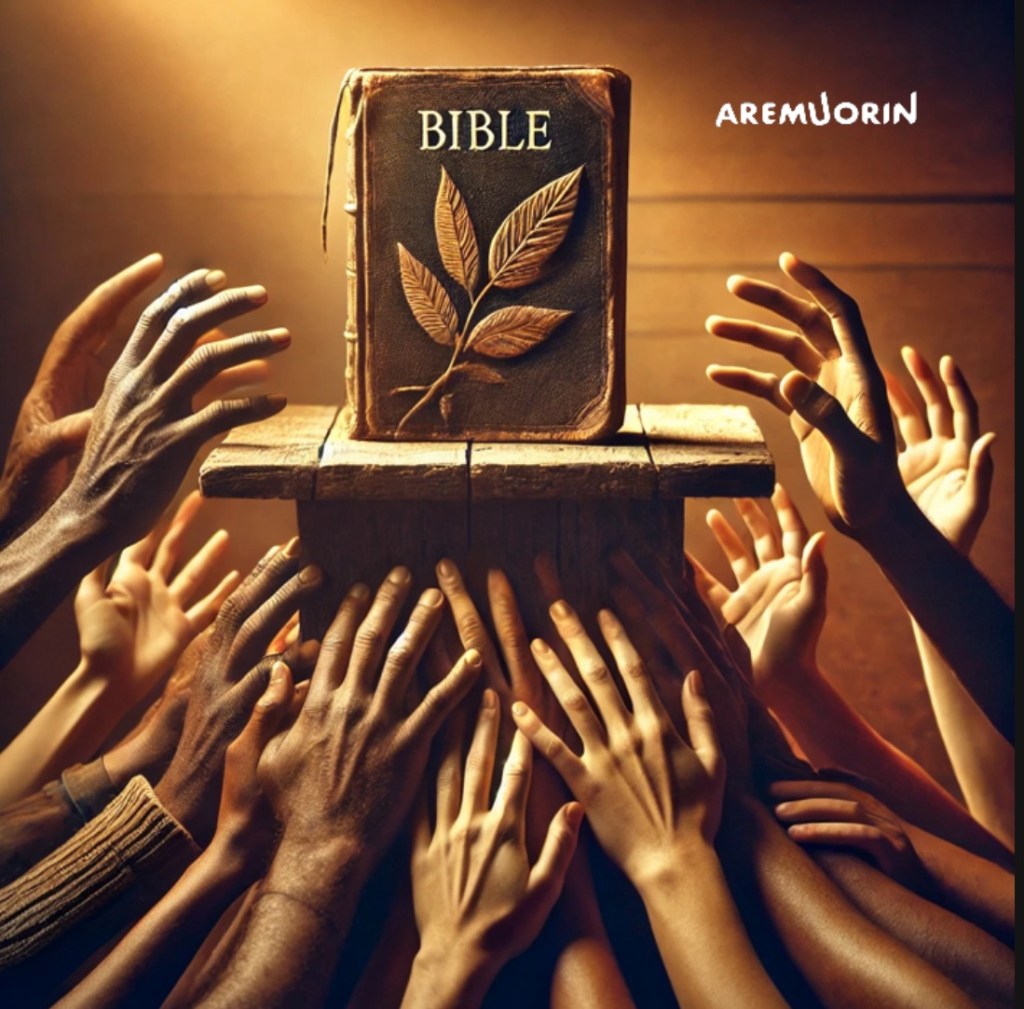
Religion is an undeniable force within the Black community. It has shaped identities, bolstered resilience, and served as a sanctuary during turbulent times. But its role is not solely one of empowerment. The very tool that has united and uplifted has also been used to suppress and disenfranchise. This duality warrants a deeper dive into the nuanced legacy of religion—its power, its pitfalls, and its potential to be reclaimed for equitable progress.
1. From Oppression to Liberation: The Historical Context:
Colonialism and Slavery: The Weaponization of Faith
In the colonial era, Christianity was wielded as a weapon to justify slavery and erase African spiritual systems. Missionaries preached obedience, twisting scripture to validate the subjugation of Black bodies. Terms like “the curse of Ham” were manipulated to perpetuate racial hierarchies. This historical betrayal still lingers in the psyche of many communities today.
The Church as Sanctuary: A Shelter in the Storm
Yet, amidst oppression, Black churches emerged as sanctuaries of resistance. During slavery, secret worship gatherings—often called “hush harbors”—became spaces where enslaved people found solidarity and hope. The civil rights movement saw the church at the forefront, with leaders like Martin Luther King Jr. using faith as a moral compass to dismantle systemic racism.
Case Study:
The Montgomery Bus Boycott (1955-56) was spearheaded by Black clergy, using church networks to mobilize action. The success of this 381-day protest demonstrates how faith, when rooted in liberation, can drive systemic change.
2. The Disenfranchisement of Dogma
Prosperity Gospel and Exploitation
In modern times, certain religious doctrines have exploited economic vulnerabilities. The prosperity gospel, which equates faith with financial blessing, often targets marginalized communities. Congregants are urged to “sow seeds” (donations) with promises of divine rewards, perpetuating cycles of poverty while enriching a few.
Patriarchy and the Silencing of Voices
Rigid interpretations of scripture have marginalized women and LGBTQ+ individuals. In some Black churches, patriarchy thrives under the guise of tradition, silencing voices that challenge the status quo. This exclusionary stance alienates large segments of the community, stifling their potential contributions.
Case Study:
The case of South Africa’s Shembe Church illustrates the tension between preserving tradition and embracing inclusivity. The church has faced criticism for upholding patriarchal norms, despite calls for reform.
3. Education vs. Dogma: A Tug-of-War
Stifling Critical Thinking
Some religious teachings discourage questioning, viewing doubt as a lack of faith. This stance can deter critical inquiry, particularly in areas like science, social reform, and education. When young minds are taught to accept dogma without critique, their ability to innovate and challenge injustice is stifled.
The Role of Education in Empowerment
On the flip side, religious institutions that prioritize education have been transformative. Historically Black colleges and universities (HBCUs), many founded by religious groups, have educated generations of leaders who challenge systemic inequities.
Case Study:
Howard University, a historically Black institution with ties to the African Methodist Episcopal Church, has produced countless trailblazers, including Vice President Kamala Harris.
4. Reclaiming Religion for Liberation:
Decolonizing Theology
To circumvent the oppressive aspects of religion, there must be a shift toward decolonizing theology. This involves reinterpreting scripture through lenses of equity, justice, and inclusivity. African spiritual practices, long demonized, can be reintroduced as complementary frameworks.
Building Inclusive Spaces
Churches and religious institutions must evolve to reflect the diversity of their congregations. This means embracing LGBTQ+ individuals, empowering women, and fostering dialogue on taboo topics like mental health and systemic racism.
Encouraging Critical Inquiry
Faith and critical thinking are not mutually exclusive. Religious leaders can champion education, urging congregants to question, learn, and adapt. This creates a community rooted in both spiritual and intellectual growth.
Case Study:
The Fellowship of Affirming Ministries, led by Bishop Yvette Flunder, is a network of inclusive churches that champion social justice, LGBTQ+ rights, and the eradication of systemic inequality.
Conclusion: Toward an Equitable Faith
Religion has the potential to either shackle or liberate. Its power lies in the hands of those who wield it. For the Black community, reclaiming faith as a tool for empowerment requires introspection, critical dialogue, and intentional inclusivity. By confronting its historical and modern pitfalls, religion can once again become a sanctuary—not just for survival, but for thriving.
Hashtags for Engagement
#FaithAndLiberation #DecolonizingTheology #EmpoweredCommunities #BlackChurchesMatter #ReclaimingReligion
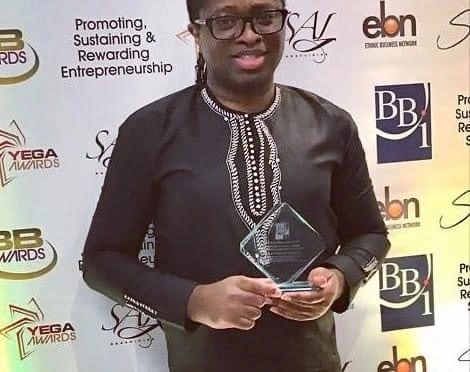
Aremuorin is a multi-award-winning artist, writer, and humanitarian, known for his unique fusion of music, writing, and advocacy. With a focus on empowerment and social justice, his work aims to inspire, educate, and uplift communities worldwide. Aremuorin has been honored with numerous accolades, including awards in the UK, USA, and Africa, and holds two honorary doctorate degrees for his contributions to both the arts and humanitarian work. His artistry goes beyond entertainment, as he uses his platform to bring attention to issues of mental health, social change, and cultural pride.
 Aremuorin™
Leave a comment