

Written by Aremuorin / Contact / Mailing List / Linktree / Latest Post – Let’s Connect !!! (C) 2025 Aremuorin – All Rights Reserved
Introduction: The Changing Face of Entertainment
Hollywood has long been the center of the global entertainment industry, churning out blockbuster films and shaping popular culture.
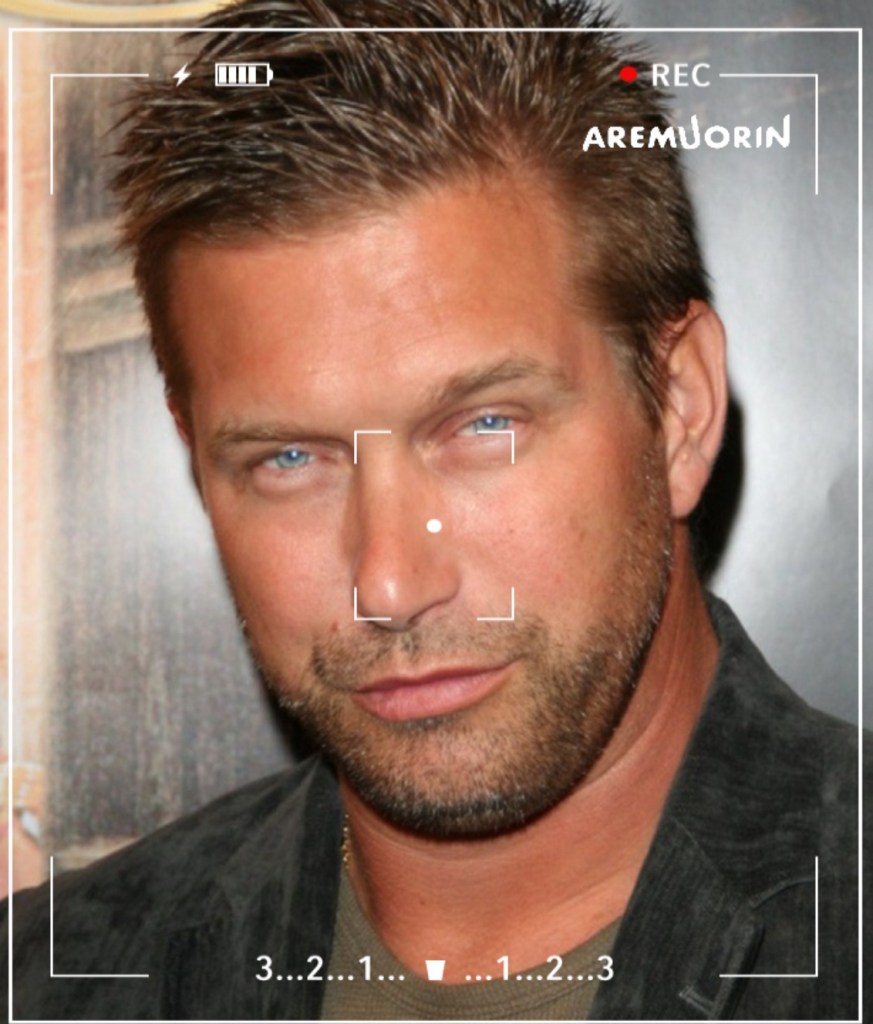
But with the rise of digital content and changing audience preferences, many experts, like actor Stephen Baldwin, believe that Hollywood could soon fade into obscurity. In fact, Baldwin has boldly stated that Hollywood is “evil,” no longer creating great films, and will be replaced within the next two decades.
But what could possibly replace Hollywood if it dies? Will it be new technologies, more democratized content creation, or the rise of global collaboration? In this blog post, we explore the future of entertainment through a mix of psychological, scientific, professional, and industry-led perspectives.
The Digital Revolution: How Streaming and Mobile Media are Taking Over:
Case Study: The Rise of Netflix and the Fall of Traditional Cinema
One of the most prominent shifts in the entertainment landscape has been the rise of streaming platforms like Netflix, Amazon Prime, and Disney+. The success of these platforms has shown that viewers are no longer relying on traditional movie theaters or cable networks for entertainment. Instead, they are turning to their phones, tablets, and laptops for on-demand content, breaking free from Hollywood’s traditional grasp.
In 2019, a survey by Statista found that 73% of U.S. adults used a streaming service, a statistic that’s grown even further since. This shift in consumer behavior indicates that Hollywood’s dominance is weakening. People are now able to watch what they want, when they want, with minimal reliance on Hollywood studios.
Psychological Insight: People are increasingly seeking convenience, choice, and control over their viewing experience. As Dr. Michael Salvatore, a psychologist who specializes in digital behavior, notes, “Consumers are shifting away from traditional entertainment to platforms that offer autonomy and immediate gratification. The psychological appeal of streaming platforms lies in their ability to give viewers the sense that they are in control of their entertainment choices.”
The Virtual Reality and Augmented Reality Shift: The Future of Interactive Storytelling:
Case Study: How VR is Changing the Entertainment Experience
In a future where Hollywood’s traditional format might no longer reign, Virtual Reality (VR) and Augmented Reality (AR) could take center stage. Companies like Oculus, Sony, and Apple are already pushing VR technologies that allow users to experience movies and games in immersive environments. Imagine stepping into a story, interacting with characters, or even choosing your narrative direction—this is the future of cinema.
The video game industry has already paved the way for interactive, immersive experiences. Titles like Beat Saber and Half-Life: Alyx are already merging cinematic visuals with user agency. If Hollywood dies, VR/AR may evolve into a new form of entertainment that takes storytelling to new heights.
Scientific Perspective: According to Dr. Mark Z. D’Angelo, a neuroscientist specializing in immersive experiences, “The brain processes VR differently than traditional film. When we immerse ourselves in a VR environment, we activate deeper emotional and cognitive centers in the brain. This opens up new storytelling possibilities, where the line between viewer and participant becomes blurred.”
Decentralized Content Creation: The Power of Blockchain and Independent Filmmakers:
Case Study: The Rise of Independent Film on Platforms Like YouTube
Gone are the days when major studios dictated the flow of film production and distribution. Now, filmmakers from all over the world have direct access to audiences through platforms like YouTube, Vimeo, and Patreon. The decentralization of content creation has led to a more diverse and inclusive array of voices and stories. In fact, some independent films are even rivaling Hollywood’s blockbusters in terms of creativity and cultural impact.
Professional Opinion: “The democratization of content creation through platforms like YouTube and Instagram has shifted the power dynamic in the film industry,” says Mary Jane Callahan, an independent film producer and industry expert. “The power is now in the hands of individual creators, not large studios with massive budgets.
The future of film may lie in independent projects, funded by audiences rather than traditional distributors.”
Blockchain technology could further decentralize the film industry by offering creators the ability to distribute and monetize their work directly, cutting out the middleman. This could eliminate the need for major studios, allowing for more niche, creative projects to flourish.
The Globalization of Media: How Cross-Cultural Collaboration is Reshaping Entertainment:
Case Study: K-Pop and Global Film Collaborations
Another aspect of the changing entertainment landscape is the growing global collaboration among creators from different countries and cultures. The success of K-Pop, Bollywood, and other international movements shows that entertainment no longer needs to come from Hollywood. Films like Parasite (2019) and the success of the Squid Game series on Netflix are examples of how non-Western creators are breaking through and capturing global attention.
As technology advances, filmmakers from different parts of the world can collaborate more easily. Whether it’s through virtual production tools or digital communication, Hollywood no longer holds a monopoly on creativity. This collaboration will lead to a more inclusive, diverse global entertainment culture.
Industry Insight: Is Hollywood Dying? What Will Replace the Iconic Entertainment Hub? future of film is one of international cooperation,” says Juan Garcia, a film critic and cultural analyst. “The boundaries are breaking down, and audiences are more interested in unique, culturally rich narratives than ever before. Hollywood is no longer the sole provider of ‘quality’ entertainment; global voices are shaping the future.”
AI-Generated Content: Will Machines Create the Next Blockbusters?
Case Study: The Role of AI in Film Production
Artificial Intelligence (AI) is making its mark in nearly every industry, and entertainment is no exception. AI tools are already being used to assist in scriptwriting, editing, and visual effects. Some experts even predict that AI will eventually be capable of generating entire films, from storyline to visual execution. Companies like OpenAI are developing AI systems that can craft stories, while companies like DeepMind are experimenting with AI-driven animation.
In the near future, AI could revolutionize how movies are made, allowing creators to tailor content based on an individual’s preferences, moods, and interests. AI-driven entertainment could lead to a new era where traditional filmmaking is obsolete.
Scientific Perspective: Dr. Sophia Wren, a computer scientist specializing in AI and creativity, notes, “AI has the potential to democratize content creation even further. With the right training, machines could generate scripts, visuals, and even music tailored to a specific audience. The question is no longer whether AI can replace human creators, but how it will work in collaboration with them.”
Conclusion: What’s Next for Hollywood?
Hollywood’s dominance may indeed be on the decline, but this does not necessarily mean the death of the film industry. Instead, it may signal the rise of more diverse, immersive, and decentralized forms of entertainment. Whether through streaming platforms, VR experiences, global collaborations, or AI-generated films, the future of entertainment is poised for innovation.
As consumers seek more personalized, accessible, and interactive content, Hollywood’s traditional model may evolve into something new—one that embraces technology, diversity, and global voices. The world of entertainment will not die; it will simply transform.
Here is Steve Baldwin Hollywood.
Hashtags
#Hollywood #FutureOfEntertainment #Streaming #IndependentFilm #BlockchainInFilm #VRMovies #AIContent #GlobalCinema #FilmIndustry #DigitalMedia #MovieRevolution #TechAndEntertainment
References and Further Reading:
1. Statista, “Streaming Service Usage in the U.S.,” 2019.
2. D’Angelo, M.Z. (2021). The Neuroscience of VR and Its Impact on Storytelling.
3. Callahan, M.J. (2020). “The Rise of Independent Filmmaking in the Digital Age.” Film Producer Journal.
4. Garcia, J. (2021). Global Voices in Film: The End of Hollywood’s Monopoly.
5. Wren, S. (2022). AI and Creativity: The Future of Content Creation in Entertainment.

Aremuorin is a multi-award-winning artist, writer, and humanitarian, known for his unique fusion of music, writing, and advocacy. With a focus on empowerment and social justice, his work aims to inspire, educate, and uplift communities worldwide. Aremuorin has been honored with numerous accolades, including awards in the UK, USA, and Africa, and holds two honorary doctorate degrees for his contributions to both the arts and humanitarian work. His artistry goes beyond entertainment, as he uses his platform to bring attention to issues of mental health, social change, and cultural pride.
 Aremuorin™
Leave a comment