

Written by Aremuorin / Contact / Mailing List / Linktree / Latest Post / WhatsApp – Let’s keep the conversation going !!!
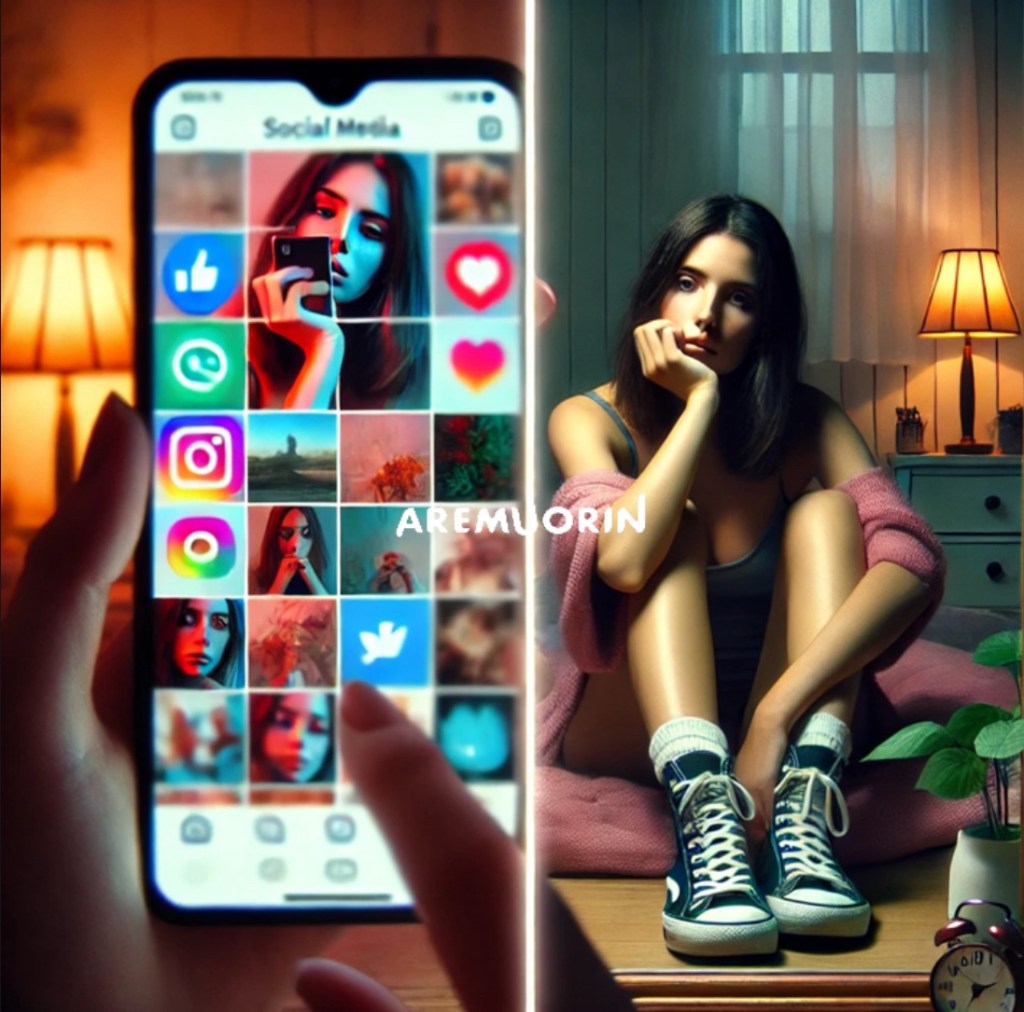
The Perfect Lie We Scroll Through Daily
Imagine this: You’re lying in bed after a long day, phone in hand, scrolling through a curated stream of perfect vacations, glowing skin, luxury purchases, and effortlessly happy couples. A nagging whisper creeps in: Why isn’t my life like that? You tell yourself it’s just a highlight reel, but somehow, it still stings.
This is the insidious power of comparison culture—an invisible force tethering your self-worth to filtered snapshots of someone else’s life. But beneath the glossy veneers of social media perfection lies a troubling reality: Comparison culture feeds insecurity, fuels unhappiness, and keeps us trapped in an endless cycle of inadequacy.
The Algorithm Isn’t Your Friend
Social media thrives on envy. The algorithm—carefully designed to maximize engagement—favors aspirational content that triggers comparison. According to psychologist Dr. Elena Harper, this isn’t accidental. “The more users feel inadequate, the longer they stay on the platform, hoping to measure up. It’s a self-perpetuating loop that preys on human vulnerabilities.”
Historical context reminds us that this isn’t a new phenomenon. Before Instagram and TikTok, glossy magazines and reality TV bombarded us with impossible standards. Social media didn’t invent comparison culture; it weaponized it, giving everyone a platform to craft their own meticulously curated highlight reels.
When Success Is Measured in Likes, You Always Lose
Take Sarah’s story. A freelance designer in her 30s, she built a thriving career doing what she loved. Yet, every time she scrolled Instagram, her accomplishments felt hollow. “Seeing people my age buying mansions or traveling the world made me feel like I wasn’t doing enough, even though I knew my reality didn’t match theirs.”
Sarah isn’t alone. Studies by social scientists reveal that comparison culture is directly linked to rising rates of anxiety and depression, particularly among young adults.
“The constant exposure to idealized versions of life creates a distorted perception of reality,” explains Dr. Kofi Mensah, a political scientist researching digital behavior. “When you measure your worth through a filtered lens, you’re always competing with a mirage.”
The Cost of Perfection: Is Social Media Stealing Our Happiness?
Comparison culture doesn’t just harm individuals—it shapes societies. Dr. Mensah warns that when people are consumed by personal insecurities, their focus shifts away from collective progress. “A distracted population, obsessed with self-measurement, is less likely to challenge systemic inequalities or engage in civic activism.”
Beyond individual dissatisfaction, the impact is staggering. Political scientist Lila Armand notes, “The obsession with projecting a perfect life online creates a culture of isolation and superficiality. We’re less connected, less empathetic, and less grounded in reality.”
Breaking Free: Practical Solutions for a Comparison-Free Life
1. Take Back Your Time
Social media thrives on your attention. Reclaim it. Start small: Dedicate 30 minutes a day to activities that nourish your soul—journaling, meditating, or connecting with loved ones. Set app limits and stick to them.
2. Curate Your Feed with Intention
Follow accounts that inspire you rather than trigger insecurity. Unfollow anyone who makes you feel inadequate, even if it’s a close friend. Your mental health is worth the boundary.
3. Practice Self-Affirmation
Stand in front of the mirror daily and say, “I am enough.” It may feel awkward at first, but over time, this small ritual can drown out the noise of comparison and reinforce your intrinsic worth.
4. Shift Your Perspective
When you catch yourself comparing, pause. Ask: What am I grateful for in my life right now? Gratitude shifts the focus from lack to abundance, helping you see the beauty in your own journey.
The Bigger Picture: Reclaiming Our Humanity
Comparison culture isn’t just a personal issue—it’s a societal one. As individuals, we can take steps to protect our mental health. But policymakers and tech giants must also shoulder responsibility. Digital literacy education, algorithm transparency, and ethical tech practices are essential to combatting the mental health crisis fueled by social media.
As psychologist Dr. Harper aptly puts it, “Social media doesn’t have to be a battleground for self-worth. When used intentionally, it can be a tool for connection and empowerment. But first, we must challenge the systems that profit from our pain.”
Your Next Step
Every time you scroll through a polished feed, remember: You’re comparing your behind-the-scenes to someone else’s highlight reel. The truth is, you’re already enough. It’s time to put down the social media mirror and see yourself through your own eyes—not through the distorted lens of the algorithm.
So, what will you do with the time you take back today?
#ComparisonCulture #SocialMediaDetox #MentalHealthMatters #YouAreEnough #ReclaimYourTime #SelfWorthNotLikes

Aremuorin is a multi-award-winning artist, writer, and humanitarian, known for his unique fusion of music, writing, and advocacy. With a focus on empowerment and social justice, his work aims to inspire, educate, and uplift communities worldwide. Aremuorin has been honored with numerous accolades, including awards in the UK, USA, and Africa, and holds two honorary doctorate degrees for his contributions to both the arts and humanitarian work. His artistry goes beyond entertainment, as he uses his platform to bring attention to issues of mental health, social change, and cultural pride.
Written by Aremuorin / Contact / Mailing List / Linktree / Latest Post – Let’s Connect !!! (C) 2025 Aremuorin – All Rights Reserved
 Aremuorin™
Leave a comment