Written by Aremuorin / Contact / Mailing List / Linktree / Latest Post / WhatsApp – Let’s keep the conversation going !!!
“Some people are so poor, all they have is money.” — Patrick Meagher
The Battle of Two Worlds
Human relationships can often be distilled into two categories: transformational and transactional. These two dynamics are as starkly different as day and night, yet both are deeply embedded in our personal and professional lives. Understanding their nuances is not just enlightening—it’s vital for self-preservation, growth, and thriving in a world that often confuses value with love.
In this blog, we’ll explore:
• The defining traits of transformational and transactional people.
• Why narcissists thrive in transactional relationships.
• Real-world examples to help you spot the difference.
• How to protect yourself while fostering meaningful connections.
Transformational People: Love as Their Compass
Transformational people are the rare gems of humanity. They live with an open heart, motivated by the desire to uplift and inspire those around them. Their relationships are not exchanges but experiences—moments of shared growth that leave lasting impressions.
Key Traits of Transformational People
• Empathy over gain: They listen to understand, not just to respond.
• Abundance mindset: They give freely without expecting immediate returns.
• Legacy builders: They create environments where trust, love, and loyalty thrive.
As Anne Morrow Lindbergh beautifully said, “To give without any reward, or any notice, has a special quality of its own.”
These people are often leaders, healers, and visionaries. They are the ones who plant trees knowing they may never sit in their shade.
Transactional People: The Pursuit of Value
On the other side of the spectrum lie transactional people, who approach relationships like business deals. Their primary question is not, “How can I connect with you?” but rather, “What can I get from you?”
While this approach isn’t inherently bad—after all, transactions are necessary in some contexts—it becomes dangerous when applied to emotional or personal relationships.
Key Traits of Transactional People
• Conditional relationships: Their engagement depends on what they can gain.
• Focus on ROI (Return on Investment): They treat interactions like investments, expecting a clear and measurable payoff.
• Short-term mindset: They rarely nurture bonds that don’t serve immediate needs.
This dynamic is often exploited by narcissists, who are masters at disguising transactional motives behind charm and flattery.
Why the Difference Matters
The transformational vs. transactional divide is more than just semantics—it’s a roadmap to understanding how people value you and, more importantly, how they might manipulate you.
Narcissists and Transactional Relationships
Narcissists thrive in transactional relationships because they are adept at creating illusions of value. They may shower you with attention, gifts, or promises—only to withdraw them the moment they perceive you no longer serve their agenda.
The Risks of Transactional Connections
• Emotional burnout: Constantly giving without receiving genuine love in return.
• Erosion of self-worth: Feeling valued only for what you bring to the table, not for who you are.
• Manipulation traps: Being controlled by guilt, obligation, or fear of losing the “relationship.”
Case Study: A Tale of Two Bosses
Meet Maya. She worked for two very different managers in her career:
1. Transformational Leader: Her first manager, Julia, encouraged Maya’s growth, gave her autonomy, and offered mentorship without expecting immediate results. Even after Maya left, Julia remained a mentor and friend.
2. Transactional Boss: Her second manager, Robert, praised Maya only when she hit targets. The moment Maya faced personal challenges and her performance slipped, Robert replaced her without hesitation.
The takeaway? Julia’s transformational leadership created a lasting bond and a sense of loyalty, while Robert’s transactional mindset left Maya feeling expendable.
Spot the Difference: A Quick Self-Assessment
Ask yourself these questions when evaluating relationships:
1. “Do they invest in me as a person, or just in what I offer?”
2. “Do I feel drained or inspired after spending time with them?”
3. “Do they prioritize our connection, or do they keep score?”
Actions to Watch
• Transformational people check in without reason, celebrate your growth, and offer support unconditionally.
• Transactional people are quick to disappear when you are no longer “useful.”
Protecting Yourself from Transactional People
The key to self-preservation lies in boundaries. Here’s how to safeguard your energy and emotional well-being:
1. Master the Art of Saying No
Learn to recognize guilt tactics and respond with firmness. Transformational people will respect your boundaries; transactional ones will resist them.
2. Cultivate a Circle of Transformational Relationships
Seek out those who uplift, inspire, and challenge you to grow. These relationships are rare, but they are worth the search.
3. Lead with Self-Worth
When you value yourself, you set the standard for how others should treat you. As Brené Brown wisely said, “Daring to set boundaries is about having the courage to love ourselves, even when we risk disappointing others.”
Scientific Insight
According to a Harvard study on adult development, individuals in emotionally supportive relationships reported 50% lower stress levels and significantly greater life satisfaction than those in conditional, transactional relationships.
A Visionary Closing
“For the sake of clarity and transparency—free from those who disguise their true intentions—let’s take this as a defining resolution. A reminder that silence has shielded us through too many iffy situations, but awareness will guide us forward.”
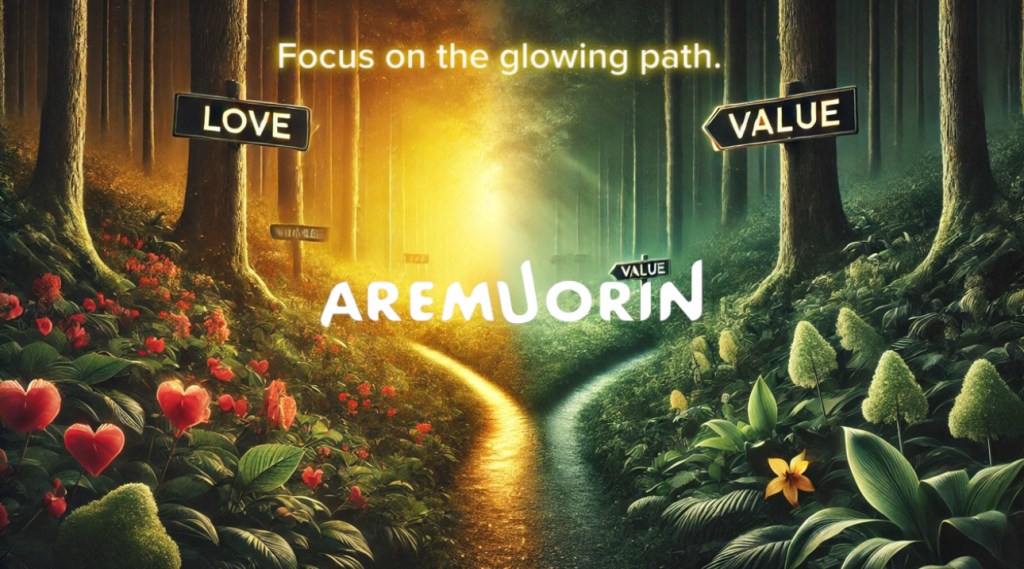
“Imagine a world where relationships aren’t transactions but partnerships. Where love leads, and value follows. That world begins with you.”
Take a moment to reflect. Which path are you on, and which do you want to take? Share your thoughts below—let’s spark a global conversation!
Hashtags for Social Media
#TransformationalRelationships #SelfWorth #EmotionalGrowth #Leadership #Empathy #Boundaries #Narcissism #LoveOverValue #PersonalDevelopment

Aremuorin is a multi-award-winning artist, writer, and humanitarian, known for his unique fusion of music, writing, and advocacy. With a focus on empowerment and social justice, his work aims to inspire, educate, and uplift communities worldwide. Aremuorin has been honored with numerous accolades, including awards in the UK, USA, and Africa, and holds two honorary doctorate degrees for his contributions to both the arts and humanitarian work. His artistry goes beyond entertainment, as he uses his platform to bring attention to issues of mental health, social change, and cultural pride.
Written by Aremuorin / Contact / Mailing List / Linktree / Latest Post WhatsAppu
– Let’s Connect !!! Like, share and leave your comments. Thank You.
(C) 2025 Aremuorin – All Rights Reserved
 Aremuorin™
Leave a comment