
By Aremuorin™ / Contact / Mailing List / Linktree / Latest Post / Telegram – Let’s keep the conversation going !!!
Share this:
When someone raises patterns of harm and is reframed as “the problem,” that is not always conflict. Often, it is the language of victim-blaming, narrative control, and psychological abuse.
There is a dangerous pattern in modern social life—subtle, sophisticated, and too often misread.
It happens when someone identifies repeated patterns of harm—psychological, emotional, relational, or behavioural—and instead of being heard, they are reframed as the issue.
They are called negative. Difficult. Too sensitive. Disruptive. “Bad vibes.” Too much.
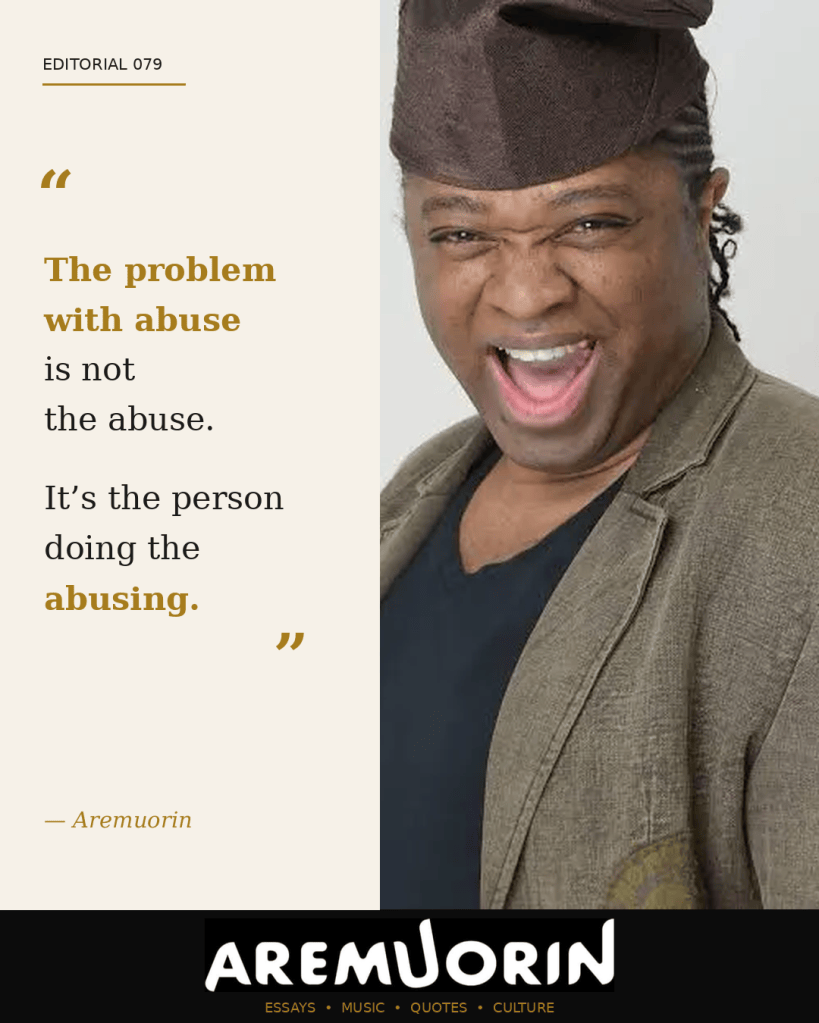
When someone raises patterns of abuse and is labelled “the problem,” that is not evidence they are wrong. It is often textbook victim-blaming used to silence them.
What the Experts Already Understand
Clinical and advocacy sources have long identified a familiar pattern in abusive dynamics: the focus is shifted away from the harmful behaviour and placed onto the person naming it.
Common psychological abuse tactics include:
- Shifting blame to the victim
- Making them appear unstable, irrational, or overly emotional
- Minimising, denying, or reframing harmful behaviour
- Turning the social environment against the person raising concern
These are not merely “personality clashes.” They are recognised mechanisms of control.
SafeLives, a respected UK domestic abuse organisation, outlines how psychological abuse often operates through distortion, intimidation, blame-shifting, and emotional manipulation.
Read the SafeLives resource on psychological abuse
Gaslighting: When Reality Is Rewritten
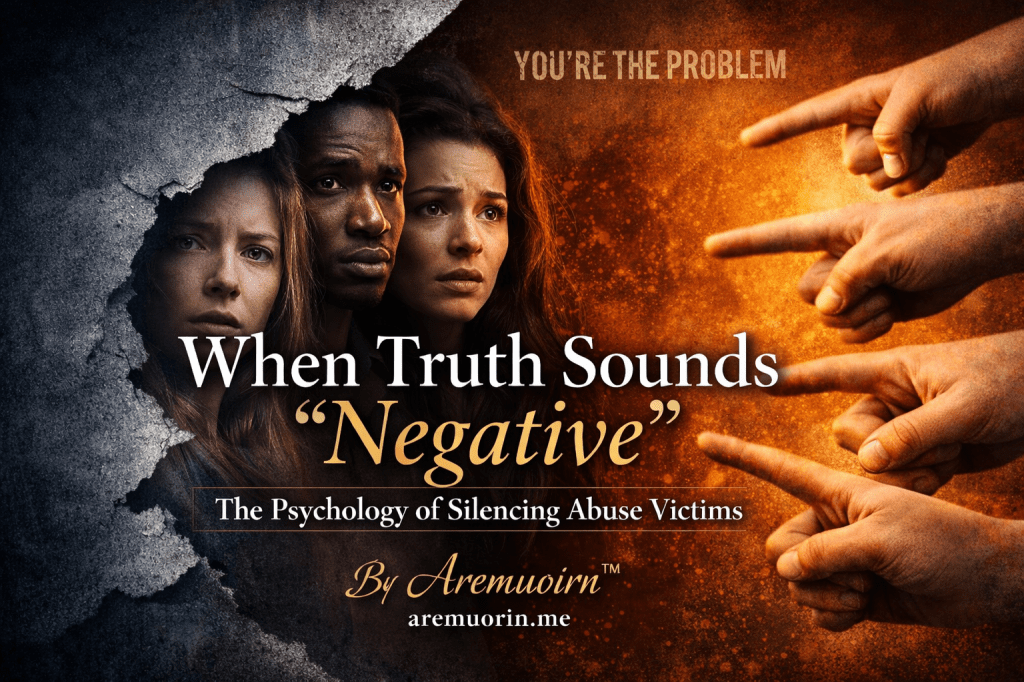
Gaslighting is often used casually in conversation, but its meaning is precise. It describes a form of psychological manipulation in which a person’s perception of reality is steadily undermined.
Over time, the victim is pushed to question their instincts, memory, judgement, and even their right to name what they are experiencing.
In expert commentary published by Psychology Today, gaslighting is described as a tactic that can manipulate people into taking the blame for harm done to them—distorting reality until the victim begins to internalise the accusation.
Read the Psychology Today article
Gaslighting does not just distort what happened. It distorts who gets believed.
The Narcissistic Pattern: Deny, Deflect, Reverse
In more entrenched toxic dynamics—especially those associated with narcissistic abuse—the pattern often becomes even more obvious.
Harm is denied. Responsibility is avoided. The person speaking up is attacked. Then the roles are reversed until the victim is made to look like the aggressor.
A Forbes piece examining manipulation tactics associated with what is often referred to as “a narcissist’s prayer” highlights how these patterns can work: minimising wrongdoing, rejecting responsibility, and recasting the harmed person as the issue.
Read the Forbes article
Why People Mistake Truth for “Bad Energy”
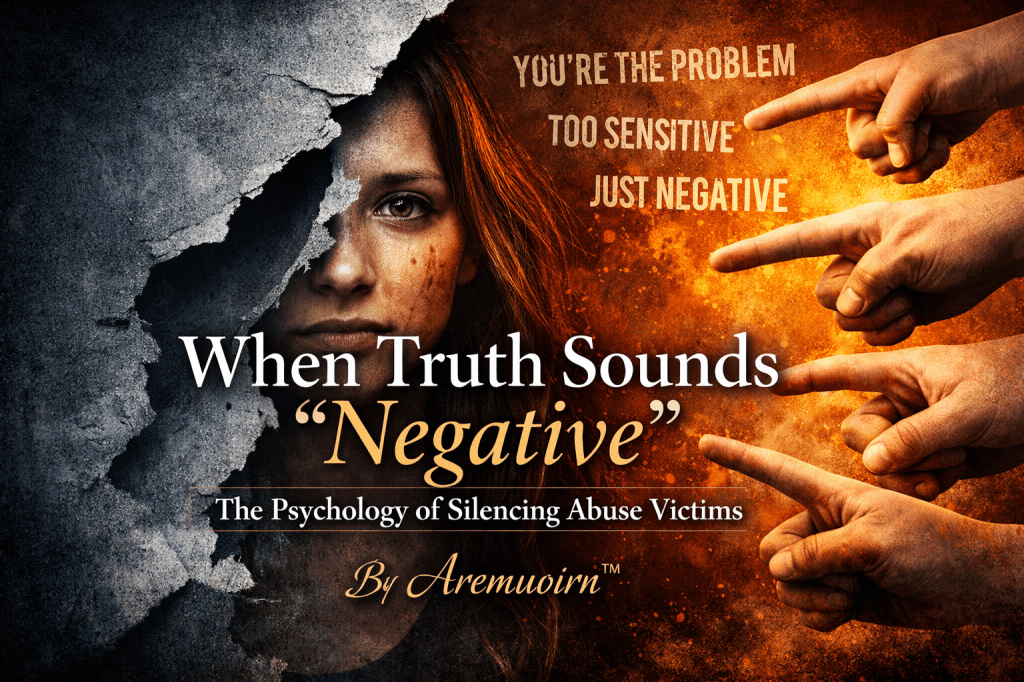
One of the most damaging social habits is this: people often judge the discomfort of the message before they examine the content of it.
A person naming patterns of manipulation may not sound soft, polished, or convenient. They may sound distressed. Direct. Tired. Repetitive. Alarmed.
But repetition does not make them wrong.
In fact, when someone repeatedly points to the same pattern, that consistency may be the very thing others should investigate more carefully—not dismiss more quickly.
Not everything uncomfortable is negativity. Sometimes it is clarity landing in a room that prefers illusion.
The Pattern Is the Signal
One isolated complaint can be brushed aside. But repeated observations, consistent behavioural patterns, and obvious relational signs deserve attention.
When a person keeps identifying the same manipulation, the same blame-shifting, the same destabilising tactic, the responsible response is not to shame them for “bringing negativity into the room.”
The responsible response is to ask:
- What exactly are they seeing?
- Is there a repeated behavioural pattern here?
- Who benefits when their credibility is undermined?
- Why is the person naming harm being treated as the disturbance instead of the harm itself?
What Healthy Awareness Actually Looks Like
If we want emotionally intelligent communities, then we must grow beyond surface-level social reflexes.
That means:
- Listening for patterns, not just reacting to tone
- Assessing behaviour, not punishing honesty
- Recognising victim-blaming and gaslighting when they appear
- Understanding that the person who sounds “difficult” may simply be the one refusing to collude with dysfunction
Final Word

Not everyone who disrupts the atmosphere is the problem.
Not everyone who names a pattern is “negative.”
And not everyone being framed as the issue is actually the source of the harm.
Sometimes, the person being dismissed is the only one telling the truth.
You Are Enough.
— Aremuorin™
Sources
Psychology Today — How Gaslighters May Manipulate You Into Taking the Blame
SafeLives — Psychological Abuse
Forbes — 6 Manipulation Tactics in a Narcissist’s Prayer, by a Psychologist

Aremuorin™ is an award-winning songwriter, producer, and multidisciplinary artist creating music with purpose — blending soul, jazz, and conscious storytelling.
Written by Aremuorin / Contact / Mailing List / Linktree / Latest Post – Let’s keep the conversation going !!!
(C) 2026 Aremuorin – All Rights Reserved
Share this:
Continue Your Journey
Being misunderstood does not make your truth less valuable. Follow Your Dreams: The Book of Inspirational Quotes, Volume I offers reminders to trust your voice, protect your sense of self and continue with purpose when other people resist what you know.


Leave a Reply