

Written by Aremuorin / Contact / Mailing List / Linktree / Latest Post – Let’s Connect !!! (C) 2025 Aremuorin – All Rights Reserved
Introduction
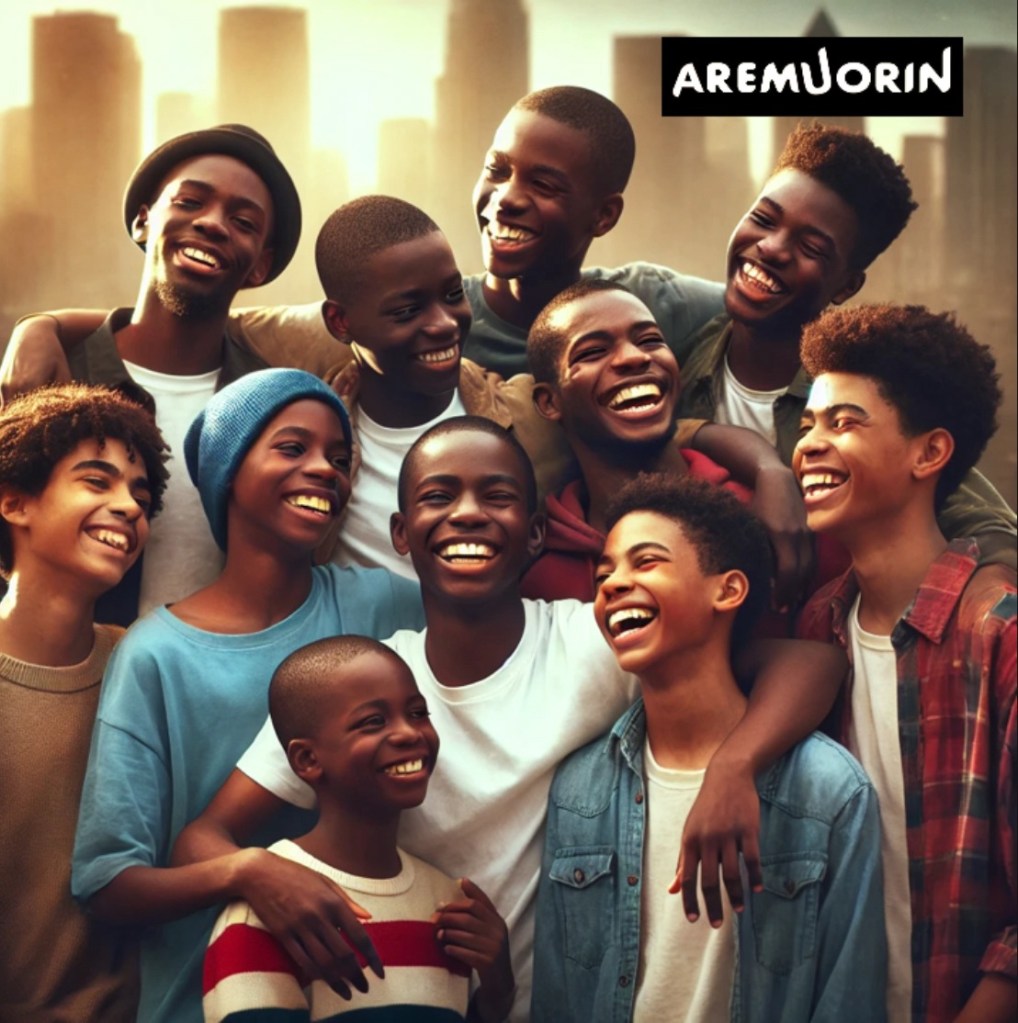
In a society that often labels Black boys as “zesty” for expressing joy, kindness, or brotherly affection, the pressure to conform to hyper-masculine ideals can be suffocating. This narrative not only suppresses emotional growth but also alienates those who don’t fit traditional molds. For gay or bisexual Black boys, the stakes are even higher, as societal expectations force many into secrecy, toxic behaviors, or internalized self-hatred.
This blog explores the deep intersectionality of these issues, their impact on Black communities, and actionable solutions to foster acceptance, emotional freedom, and authenticity.
The “Zesty” Label: What It Means and Why It Matters:
A Dangerous Stereotype
The term “zesty” has become a catch-all for any behavior in Black boys that deviates from traditional notions of masculinity. Whether it’s showing joy, being playful, or expressing affection, such labels stigmatize natural emotional expressions.
Case Study:
A 15-year-old boy, Jamal, was mocked at school for hugging a close friend after a basketball win. The incident led him to suppress his emotions entirely, contributing to isolation and poor self-esteem.
Psychological Impact:
• Emotional Sterility: Black boys learn to suppress vulnerability to avoid ridicule.
• Mental Health Risks: This can lead to anxiety, depression, and a higher likelihood of self-harm.
• Behavioral Outcomes: The pressure to appear “manly” often manifests in aggression or toxic masculinity.
The Hidden Struggles of Gay and Bisexual Black Boys: Living in the Shadows
For LGBTQ+ Black boys, the stakes are even higher. The intersection of racial, cultural, and religious pressures creates an environment where being their authentic selves feels impossible.
Consequences:
• Down-Low Culture: Many hide their true identities, leading to secretive relationships and mistrust in their personal lives.
• Toxic Masculinity: To deflect suspicion, some overcompensate with hyper-masculine behaviors, perpetuating harmful stereotypes.
• Social and Economic Impacts: This secrecy and internal conflict often affect their career choices, relationships, and overall quality of life.
The Ripple Effect on Black Communities: Generational Trauma
The suppression of emotional expression doesn’t just affect individuals—it reverberates through families and communities.
1. Strained Relationships: Men unable to express affection or vulnerability struggle to connect with partners, children, and friends.
2. Community Fragmentation: The inability to embrace diversity in masculinity weakens communal bonds.
3. Economic and Political Marginalization: Suppressed individuals are less likely to advocate for themselves, impacting representation and equity.
Changing the Narrative: Toward Emotional Freedom: Actionable Solutions
1. Cultural Re-education:
• Highlight diverse representations of Black masculinity in media.
• Celebrate men who defy stereotypes, from historical figures to contemporary role models.
2. Safe Spaces:
• Create platforms in schools, religious institutions, and community centers for Black boys to express themselves without judgment.
• Support LGBTQ+ youth with affirming programs and counseling.
3. Parental and Community Involvement:
• Educate parents about the harmful effects of toxic masculinity.
• Encourage fathers, brothers, and mentors to model emotional openness.
4. Mental Health Resources:
• Increase access to culturally competent therapists who understand the unique challenges Black boys face.
Case Study: A Community That Got It Right
In Chicago, a grassroots program called “Healing the Brotherhood” offers workshops on emotional intelligence for Black boys. The program combines mentorship, group discussions, and artistic expression to break down barriers. Outcomes include improved academic performance, healthier relationships, and reduced incidents of violence.
Reflection and Call to Action
Black boys deserve the freedom to experience joy, be loving, and live authentically without fear of judgment. Whether gay, bisexual, or straight, they are not defined by labels but by their potential, creativity, and humanity.
Action Steps:
• Reflect on your biases and challenge stereotypes in your community.
• Support organizations advocating for emotional and psychological freedom for Black boys.
• Share this message to foster a dialogue that inspires change.
Hashtags:
#EmpowerBlackBoys #BreakTheChains #AuthenticityMatters #ToxicMasculinity #MentalHealthAwareness #LGBTQInclusion #CommunityHealing
Conclusion:
By shifting the narrative, we can ensure that future generations of Black boys grow up in a world where joy, kindness, and love are celebrated, not stigmatized. Let’s commit to creating this reality—starting today.
More here: On how Straight Black Men Deal With This Too
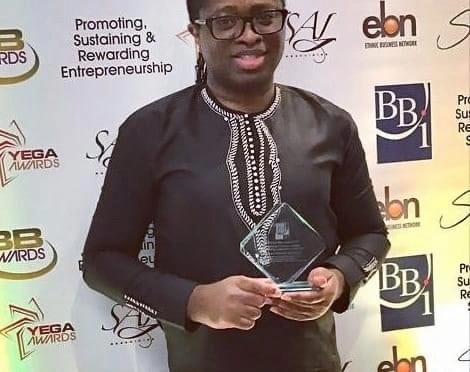
Aremuorin is a multi-award-winning artist, writer, and humanitarian, known for his unique fusion of music, writing, and advocacy. With a focus on empowerment and social justice, his work aims to inspire, educate, and uplift communities worldwide. Aremuorin has been honored with numerous accolades, including awards in the UK, USA, and Africa, and holds two honorary doctorate degrees for his contributions to both the arts and humanitarian work. His artistry goes beyond entertainment, as he uses his platform to bring attention to issues of mental health, social change, and cultural pride.
Written by Aremuorin / Contact / Mailing List / Linktree / Latest Post – Let’s Connect !!! (C) 2025 Aremuorin – All Rights Reserved
 Aremuorin™
Leave a comment