

Written by Aremuorin / Contact / Mailing List / Linktree / Latest Post – Let’s Connect !!! (C) 2025 Aremuorin – All Rights Reserved
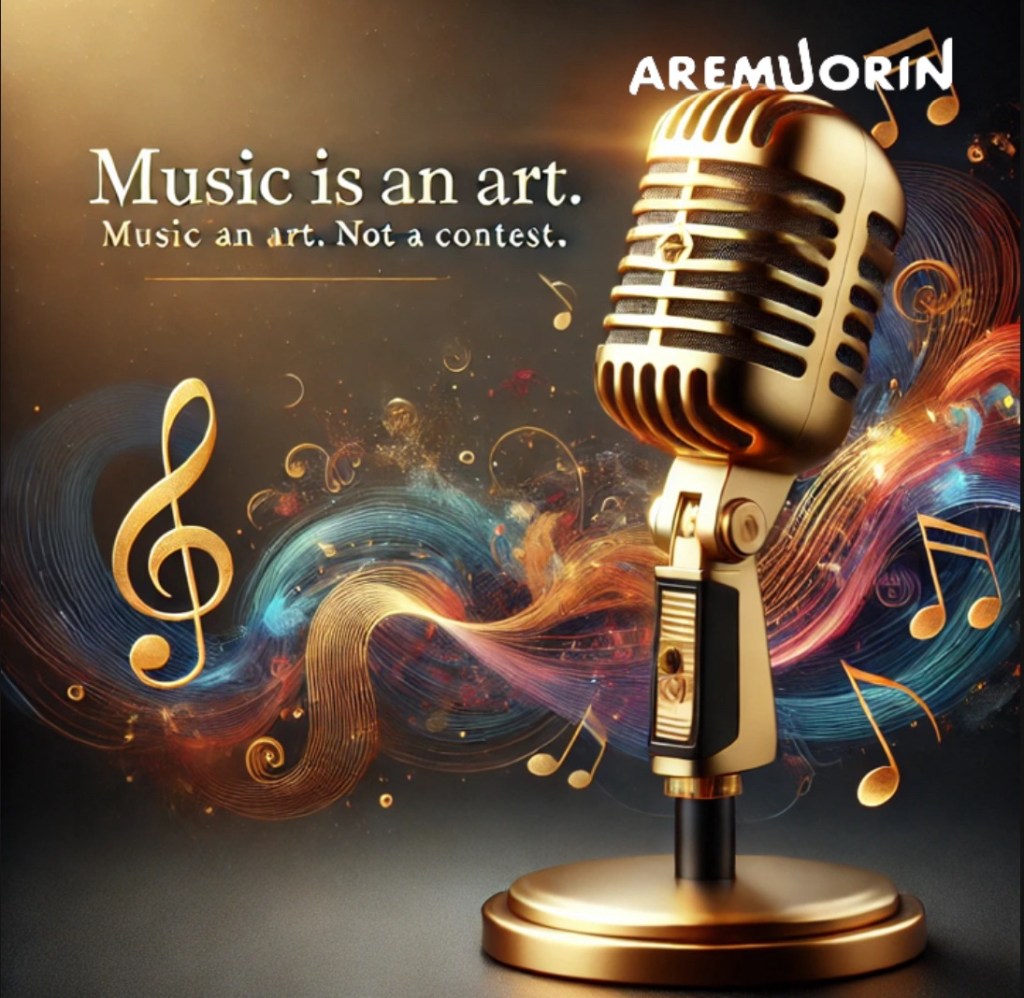
Hashtags: #MusicInKey #AuthenticityInMusic #ArtistFreedom #SoundTruth #KeyMatters #RealArtistsExpress #MusicAndFrequency
Introduction:
There’s an ongoing trend in the music industry that’s quietly undermining the art of vocal performance. Musicians who claim to be “experts” in their field often play songs in keys that aren’t suited to the singer’s vocal range, leaving the vocalist to either struggle or compromise their natural voice. This issue is pervasive, and it’s time to set the record straight. For artists to express themselves authentically, they must have the freedom to sing in their preferred key – the key that resonates with their voice, their truth, and their comfort.
The Problem: Playing Songs in the Wrong Key
Imagine a vocalist pouring their soul into a performance, only to find themselves fighting against the very foundation of the music: the key. What happens when the key doesn’t match the singer’s vocal range? The results can be disastrous. A singer may sound flat, strained, or simply disconnected from the music. The frustration sets in. For some artists, this leads to discouragement, vocal strain, and sometimes even abandoning a project altogether.
Why? Because when a song is played in a key that’s too high or too low for the singer, it disrupts their ability to fully engage with the music and express their emotions. Music is about frequency, and when that frequency is off, the magic of the performance is lost. This problem is so widespread that it has become almost a norm, but it shouldn’t be.
Case Study: The Struggle of Professional Vocalists
Take, for example, the case of Sophia Lancaster, a professional soul singer who often performs for large audiences. Sophia has an extraordinary vocal range, but when her band played her songs in a key that was too high, she struggled to hit the notes. Her vocal delivery became forced, and she was left feeling frustrated with every performance. Despite her experience, she couldn’t find the confidence she needed to perform at her best because the key wasn’t right. It wasn’t her voice; it was the key.
Similarly, Ethan Matthews, an up-and-coming pop artist, found himself losing his vocal power during rehearsals because his tracks were often pitched higher than his natural range. “It’s like I’m trying to sing someone else’s song,” he explained. “I end up running out of breath, and the audience can tell I’m not in my zone.” These artists are not alone. The music industry is filled with similar stories of creatives stifled by mismatched frequencies.
Academic Insights: The Importance of Key in Music and Vocal Health
According to Dr. Melanie Rowe, a renowned vocal coach and researcher, “The key is the fundamental base that supports a singer’s vocal expression. When the key is inappropriate, it can strain the vocal cords and inhibit the full range of sounds that the artist is capable of producing. It’s about aligning the physical and emotional expression of the singer to the music they are performing.”
In her studies, Dr. Rowe notes that playing in the wrong key can lead to long-term vocal damage, particularly in genres that require high vocal endurance, such as opera, gospel, and pop. In contrast, allowing a singer to perform in their comfortable key supports both vocal health and emotional resonance, allowing the artist to convey their message with authenticity.
From a neurological perspective, Dr. Carol Kingston, a psychologist specializing in music and emotion, affirms, “A singer’s connection to their vocal tone is deeply tied to their emotional state. When an artist is forced out of their natural key, their sense of harmony is disrupted, leading to anxiety, frustration, and a loss of emotional connection to the music.” In other words, it’s not just about notes; it’s about emotional well-being and communication.
Creative Solutions: How to Circumvent the Key Dilemma
What can be done to address this ongoing issue? It starts with education, awareness, and collaboration. Here’s how we can fix this:
1. Musicians, Be Key-Inclusive:
If you consider yourself a musician or composer, it’s crucial to understand the different vocal ranges and keys that suit various artists. Learn to work with different keys to allow singers the flexibility to express themselves freely. No artist should be boxed into a key that forces them to compromise their natural sound.
2. Vocal Health Education:
Musicians and singers must engage in open discussions about vocal health. Vocal coaches should work with their clients to assess their preferred keys and ranges, incorporating this knowledge into rehearsal schedules. Working together, artists and musicians can discover creative ways to play within a range that aligns with the singer’s true voice.
3. Technological Support:
With modern software and instruments, transposing a song to a key that fits the singer’s voice is easier than ever. Whether it’s an electronic keyboard or music production software, technological tools are available that allow for key alterations with minimal effort. This means musicians can spend less time fighting against the key and more time making music that’s authentic to the singer.
4. Communication and Collaboration:
Every artist and musician must engage in honest communication about their needs. Instead of forcing a singer to adapt to a song that doesn’t fit, consider adjusting the song to match the artist’s comfort zone. Collaboration is key to creating art that resonates with both the artist and the audience.
The Ripple Effect: Why Artist Freedom Matters
Allowing artists to express themselves in their preferred key is not just about vocal comfort. It’s about giving them the space to create and to communicate their emotions without obstruction. It’s about fostering an environment where artists feel empowered to be authentic.
When artists are able to perform in their natural frequency, they tap into a deeper, more powerful connection with their music. This leads to richer, more emotive performances that resonate with audiences on a profound level. It’s a ripple effect that extends beyond the stage—empowering the artist, the audience, and the entire music industry.
The Art of Sabotage: Deliberate Key Manipulation
There’s another disturbing trend that artists must contend with: sabotage. Some musicians, sound engineers, and DJs deliberately alter the key of a song to make the artist’s job more difficult, either out of spite, jealousy, or a sense of superiority. This form of manipulation has been a hidden issue for many years, and it’s high time it was acknowledged.
As an artist, this not only impacts the quality of the performance but can also deeply affect their mental and emotional well-being. Imagine stepping onto a stage, only to discover that the music has been intentionally altered to throw you off your game. For many artists, this is a disheartening and demoralizing experience that can have lasting consequences.
Conclusion: Let the Artists Sing Their Truth
The importance of playing in the right key cannot be overstated. Musicians who force singers to perform in uncomfortable keys are doing more harm than good. It’s time to stop stifling creativity and start honoring the natural frequencies of artists. By allowing them to express themselves in their authentic key, we elevate the entire art form. Music should be about freedom, expression, and truth—not about fitting into a mold designed by others.
So, to all those who think playing in any key will do: learn to play in every key, if you claim to be the expert! Let the artists sing their truth, and let the music resonate in its most powerful and authentic form. After all, true artistry begins with the courage to stay in key.
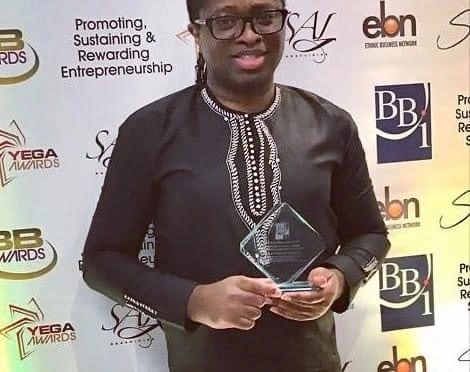
Aremuorin is a multi-award-winning artist, writer, and humanitarian, known for his unique fusion of music, writing, and advocacy. With a focus on empowerment and social justice, his work aims to inspire, educate, and uplift communities worldwide. Aremuorin has been honored with numerous accolades, including awards in the UK, USA, and Africa, and holds two honorary doctorate degrees for his contributions to both the arts and humanitarian work. His artistry goes beyond entertainment, as he uses his platform to bring attention to issues of mental health, social change, and cultural pride.
Originating from Nigeria and currently situated in the United Kingdom, his artistic prowess transcends diverse creative domains, marking him as a truly versatile virtuoso.
Don’t forget to subscribe like, share or comment below. Thank You.
Written by Aremuorin / Contact / Mailing List / Linktree / Latest Post – Let’s Connect !!! (C) 2025 Aremuorin – All Rights Reserved
 Aremuorin™
Leave a comment