
Written by Aremuorin / Contact / Mailing List / Telegram / Linktree – Let’s Connect !!!
In the glamorous world of pop culture, where fame sparkles, fans cheer, and the allure of celebrity reigns supreme, it may surprise you to learn that hidden forces could be at play.
Behind the scenes, it’s not just directors, record labels, or fan clubs that may be steering the narrative—intelligence agencies have occasionally taken a seat at the table, all in the name of influence.
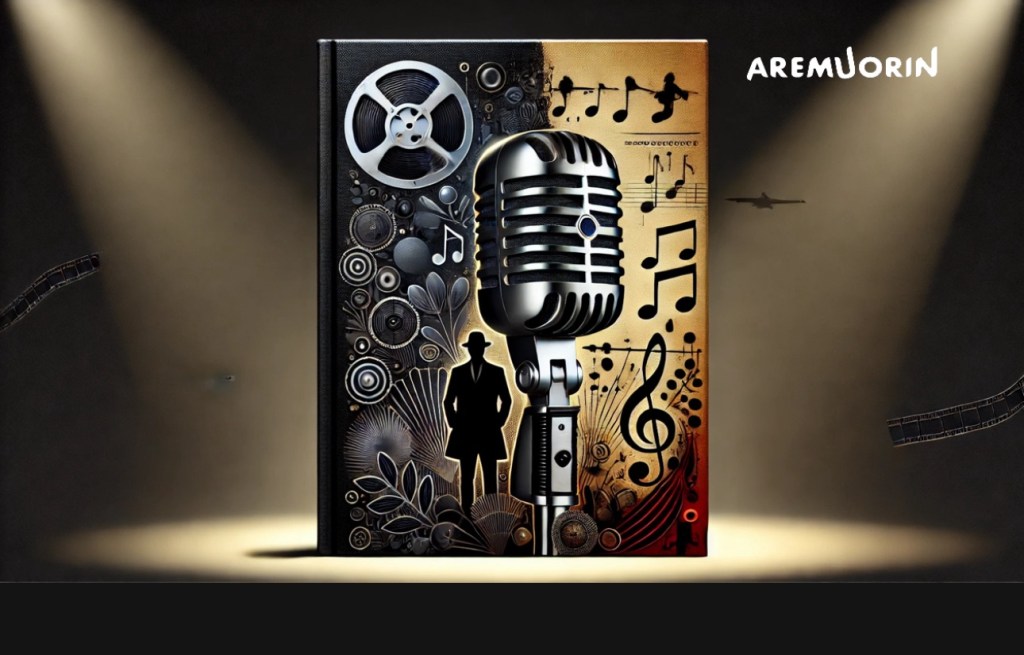
From Cold War-era jazz tours to blockbuster films, government agencies like the CIA and the Department of Defense have woven themselves into the cultural fabric. Let’s unpack this little-known story about the cultural Cold War and why these historical ties warrant a cautious eye on the present.
A History of “Soft Power” Influence
In the realm of spy thrillers and international intrigue, “soft power” might sound more like something reserved for diplomatic circles. Yet, it’s an apt description of the U.S. government’s cultural influence strategies. The CIA and other agencies, particularly during the Cold War, sought to harness the arts as a quiet weapon against Soviet propaganda. The theory? If Americans could show a creative, freedom-loving, progressive culture, the allure of communism might just fade into the background.
Example 1: Jazz as Diplomacy with Louis Armstrong
When jazz icon Louis Armstrong went on U.S.-sponsored “goodwill tours” to Africa and Europe, he wasn’t merely there for the love of music. He was part of a larger strategy by the U.S. State Department to show that American culture—and especially African American culture—could resonate with diverse, global audiences. Armstrong’s charm and influence went far beyond his trumpet; he was, in effect, a roving ambassador of American ideals【source】.
Example 2: Abstract Expressionism as Ideology
The CIA famously funded abstract expressionist art through front organizations like the Congress for Cultural Freedom, using artists such as Jackson Pollock and Mark Rothko to show that American art—and therefore American ideology—was more liberated and avant-garde than that of the Soviet Union. While Pollock splashed paint onto canvas, the agency splashed American values onto the global stage, all without an overt word【source】.
Example 3: Hollywood Blockbusters and Military Precision
Hollywood’s “Top Gun” isn’t just an edge-of-your-seat action flick; it’s a Department of Defense-endorsed project. Through a longstanding relationship with Hollywood, the Pentagon provides funding, access, and equipment for films that portray the military in a favorable light. In return, filmmakers polish the image of the armed forces, subtly promoting enlistment and aligning with American foreign policy narratives.
The Blurred Line Between Pop Stars and Policy
As fascinating as these partnerships are, they raise a thought-provoking—and slightly unsettling—question: where does public entertainment end and governmental influence begin? Given the covert support of these high-profile figures and projects, it’s difficult to know where influence stops and manipulation begins. We love our pop stars, but are they entirely free to entertain us on their own terms?
This isn’t to say that intelligence agencies are planting modern-day pop stars (conspiracy theories, take note!). But there’s an undeniable history that should give us pause. And for every time that influence might have been benign, we should remain vigilant to ensure that culture remains a space for independent thought and creativity, not merely an echo chamber for national interests.
A Cautionary Note for the Future
In a world where entertainment is just a click away, and where celebrities are idolized as heroes and influencers, the potential for influence remains. Today’s “soft power” might not look like a jazz musician on a world tour, but it could still shape perspectives, fuel trends, and change opinions subtly and skillfully. Whether intentional or not, culture has power—and sometimes, it serves more than the audience’s interests.
For those of us who believe in a transparent society, let this history serve as a reminder to stay inquisitive. Our icons and idols are beloved, but we should always watch who’s whispering in their ear.
#CulturalInfluence #PopCultureExposed #SoftPowerHistory #BehindTheCurtain #HiddenAgendas #JazzDiplomacy #HollywoodInfluence #ArtAndIdeology #StayVigilant #PopPolitics
Sources:
1. Greg Barnhisel’s Cold War Modernists: Art, Literature, and American Cultural Diplomacy – This book offers a well-researched account of how American culture was used as a diplomatic tool during the Cold War, especially in the arts. It can be found here on Google Books.
2. Frances Stonor Saunders’ The Cultural Cold War: The CIA and the World of Arts and Letters – This detailed account investigates how the CIA secretly funded and promoted American art, literature, and music to counter Soviet influence. Available on Amazon and major online libraries.
3. The National Archives – For declassified documents on Operation Mockingbird and other CIA activities, visit the National Archives, where you can access public records of government activities.
4. The Church Committee Report (1975) – A U.S. Senate report that investigated the CIA’s domestic and international influence, including in media and culture. A copy is available on the U.S. Senate’s official website.
5. Smithsonian Magazine and The Guardian often publish articles on intelligence agencies’ cultural influence, providing insightful analyses. These sources are reliable for contextual articles.

Àrèmúorin is a distinguished Multi Awardee Conscious Writer and accomplished Holistic Jazz-Soul Singer-Songwriter & Producer, reigning at the No. 1 spot on the Jazz Charts for over 49 weeks. He held the top 10 spot for over 490 weeks.
Aremuorin, a renowned polymath holding dual honorary doctoral degrees and serving as a UN Ambassador, is celebrated for his captivating musical creations and profound literary works.
Originating from Nigeria and currently situated in the United Kingdom, his artistic prowess transcends diverse creative domains, marking him as a truly versatile virtuoso.
Don’t forget to subscribe like, share or comment below. Thank You.
Don’t forget to subscribe like, share or comment below. Thank You.
(C) 2024 Aremuorin – All Rights Reserved
 Aremuorin™
Leave a comment