
Written by Aremuorin / Contact / Mailing List / Linktree / Latest Post – Let’s Connect !!!b
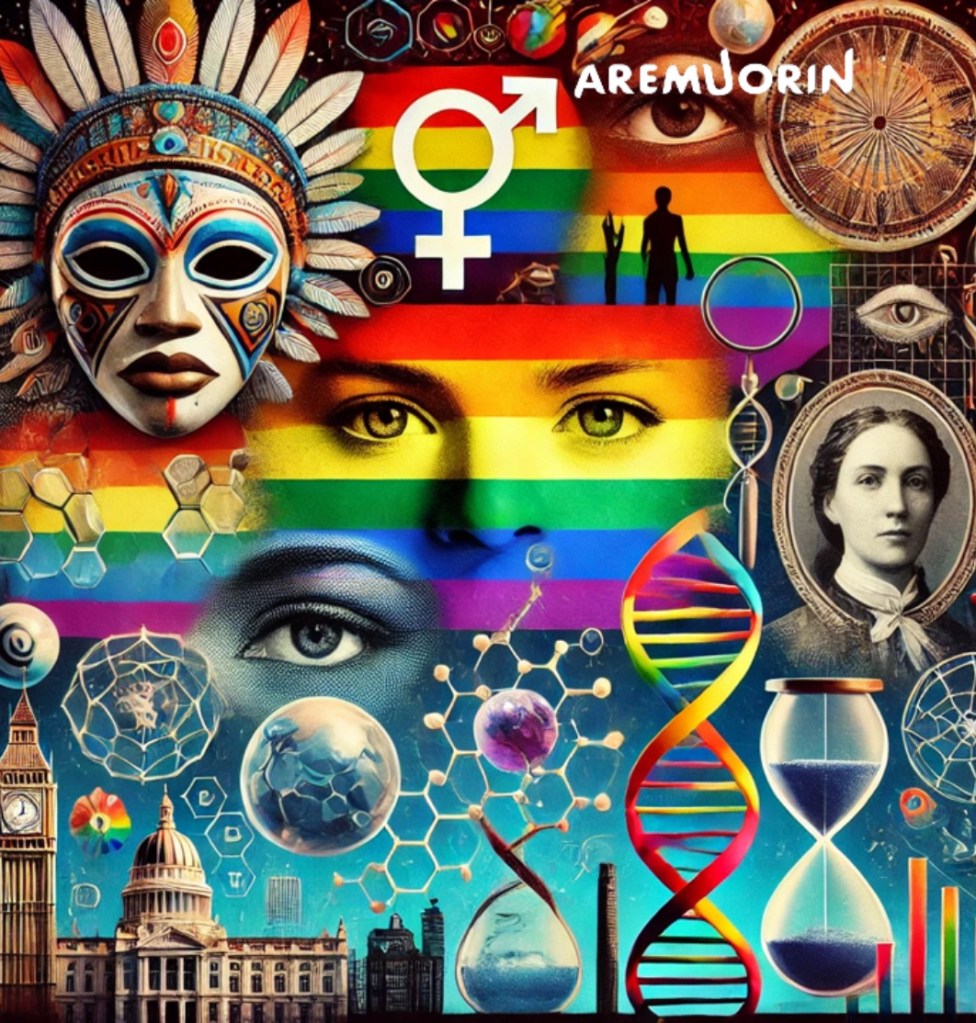
Introduction: The Age-Old Debate
When it comes to sexuality, society has long been divided. Antiquated norms often paint it as a product of strict moral codes and environmental influences, while modern schools of thought lean heavily on biological and psychological evidence. But where does the truth lie? To answer this, we’ll explore seven international case studies—including two from Africa and two from remote parts of the world—and shed light on how far we’ve come—and how far we still need to go.
#SexualityDebate #ModernThoughts #HumanDiversity #LGBTQStudies #GlobalPerspectives
1. Victorian England: A Closet of Denial
In 19th-century England, homosexuality was criminalized and considered a moral failing. Oscar Wilde’s tragic imprisonment highlighted society’s refusal to acknowledge sexuality as innate. Fast forward to today, and the UK celebrates LGBTQ+ pride annually. This stark shift exposes the absurdity of past doctrines.
Takeaway: The “moral failing” myth died when modern psychology introduced concepts like sexual orientation, leading to widespread legal reforms.
2. India: From Section 377 to Rainbow Triumph
India’s journey is a tapestry of contradictions. The ancient Kama Sutra celebrated diverse sexualities, yet British colonial rule imposed Section 377, criminalizing homosexuality. In 2018, the Indian Supreme Court struck it down, ushering in a new era.
Takeaway: Colonial legacies can repress ancient wisdom, but progressive legal victories often restore cultural equilibrium.
3. Nigeria: Tradition, Religion, and Resistance
Nigeria, the most populous African nation, enforces one of the strictest anti-LGBTQ+ laws, with same-sex relationships punishable by imprisonment or even death in some regions. However, resistance is growing. Activists like Bisi Alimi and underground communities have amplified the conversation around the intersection of human rights and sexuality.
Takeaway: Societal progress in deeply religious or traditional societies requires courage and international solidarity to counter oppression.
4. South Africa: A Beacon of Hope in Africa
Unlike much of the continent, South Africa has made strides toward equality. It became the first country in the world to enshrine LGBTQ+ rights in its constitution and legalized same-sex marriage in 2006. Despite progressive laws, social acceptance remains uneven, especially in rural areas.
Takeaway: Legal milestones are crucial, but they must be accompanied by grassroots cultural shifts to create widespread societal change.
5. Sweden: The Scientific Vanguard
Sweden, known for its progressive policies, embraced the scientific study of sexuality early on. Alfred Kinsey’s influence and the Swedish RFSU (Swedish Association for Sexuality Education) paved the way for comprehensive sex education.
Takeaway: Education, not repression, builds a society that understands and respects individual sexualities.
6. Brazil: The Land of Paradoxes
Brazil boasts vibrant LGBTQ+ pride parades yet struggles with high rates of homophobic violence. This paradox illustrates the tension between cultural acceptance and systemic discrimination.
Takeaway: Visibility alone is not enough—legal protections and societal shifts must go hand in hand.
7. Japan: Silence and Subtlety
Japan’s cultural norms often prioritize conformity, leaving little room for open discussions about sexuality. However, recent shifts, including same-sex partnership recognition in cities like Tokyo, indicate progress.
Takeaway: Even in reserved societies, incremental change is possible with persistent advocacy.
8. The Netherlands: A Beacon of Acceptance
The Netherlands was the first country to legalize same-sex marriage in 2001. This milestone reflects its long history of embracing sexual diversity, rooted in tolerance and progressive education.
Takeaway: Legal frameworks and societal attitudes can create a harmonious environment for sexual expression.
9. Papua New Guinea: Cultural Diversity and Sexual Norms
In remote regions of Papua New Guinea, sexuality is deeply intertwined with local traditions. In some tribal societies, gender and sexuality fluidity are recognized and respected, where men may engage in relationships with other men as part of ritualistic practices. These practices challenge Western notions of fixed sexual identity, highlighting the diverse and complex ways sexuality manifests across cultures.
Takeaway: Sexual identity is not universal—it can vary significantly between cultures, and the rigidity of Western norms doesn’t always apply.
10. The Maasai of Kenya and Tanzania: A Traditional Gender Divide
Among the Maasai people of East Africa, sexuality and gender roles have historically been defined by strict cultural norms. However, younger generations are beginning to challenge traditional views. In some cases, Maasai youth are rejecting forced marriages and embracing more fluid understandings of sexual identity, even though these shifts are met with resistance from elders.
Takeaway: The clash between generational values and modern views on sexuality is a global issue, even in remote, tightly-knit communities.
Antiquated Norms vs. Modern Thought: The Clash
Antiquated norms often stem from fear, ignorance, and the desire to control. Modern thought, by contrast, relies on scientific inquiry, empathy, and the acknowledgment of human diversity. The contrast is stark: one seeks to bind, the other to liberate.
Closing Thoughts: The Future of Sexuality
Sexuality is not a one-size-fits-all phenomenon. It’s a spectrum, influenced by biology, culture, and personal experience. By embracing modern science and discarding outdated prejudices, we pave the way for a more inclusive and enlightened world.
Sexuality is a complex interplay of biological, psychological, social, and cultural factors, and it is not considered something that is “learned” in the way behaviors or habits are. Here’s an overview of key aspects:
1. Biological Factors
Research suggests that sexuality has biological underpinnings, including genetics, prenatal hormones, and brain structure. These factors play a significant role in shaping sexual orientation and attraction.
2. Psychological and Emotional Development
While biology lays the foundation, personal experiences and emotional connections may influence how individuals understand and express their sexuality. However, these experiences don’t typically determine sexuality but can shape how it’s perceived or expressed.
3. Social and Cultural Influences
Culture and societal norms can influence how individuals label or express their sexuality. For example, someone in a restrictive environment may suppress or misinterpret their feelings, while someone in a more accepting environment may feel freer to explore their identity.
4. Is It “Learned”?
Sexuality is not a skill or behavior that is actively taught or learned. It emerges naturally, influenced by a mix of innate tendencies and environmental contexts. While social exposure can shape how individuals identify or navigate their sexual feelings, it does not create those feelings from scratch.
In summary, sexuality is not “learned” in the traditional sense but is a natural part of human diversity, influenced by both biological and environmental factors.
#SexualDiversity #EducationMatters #LoveIsLove #EqualityForAll #SexualityAndScience #Aremuorin

(C) 2025 Aremuorin – All Rights Reserved
Aremuorin is a multi-award-winning artist, writer, and humanitarian, known for his unique fusion of music, writing, and advocacy. With a focus on empowerment and social justice, his work aims to inspire, educate, and uplift communities worldwide. Aremuorin has been honored with numerous accolades, including awards in the UK, USA, and Africa, and holds two honorary doctorate degrees for his contributions to both the arts and humanitarian work. His artistry goes beyond entertainment, as he uses his platform to bring attention to issues of mental health, social change, and cultural pride.

 Aremuorin™
Leave a reply to Breaking the Stigma: HIV Transmission Myths and the Truth About Risk Factors #Aremuorin #HIVAwareness #BreakingTheStigma #SexualHealthMatters. – Aremuorin Cancel reply