

By Aremuorin™ / Contact / Mailing List / Linktree / Latest Post / Telegram – Let’s keep the conversation going !!!
Share this:
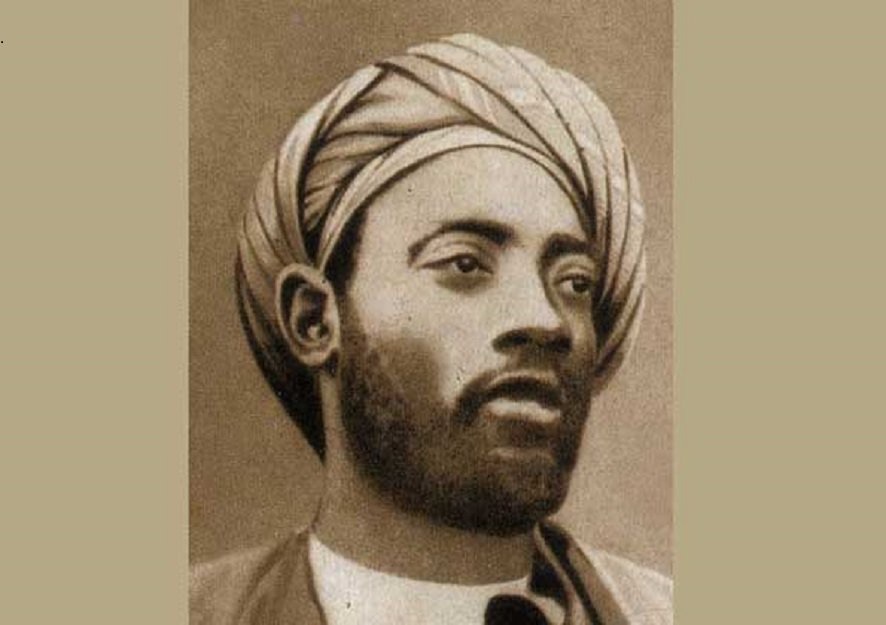
I never felt a sense of “otherness” in Africa, it was only later, in Europe, that I encountered homophobia in a way that shaped that awareness. The legacies of colonization and slavery have profoundly influenced African societies, much like the imposed image of a white Jesus. It was through my own research that I came to understand these connections.
Colonization and slavery have left deep scars on us Africans, reshaping our societies in ways that still reverberate today. The imposition of homophobia is one such legacy, introduced through foreign ideologies that disrupted our indigenous values. Through my research, I’ve come to understand that many African societies once embraced diverse expressions of gender and sexuality, free from the stigma and condemnation that colonial systems forced upon us.
I also realized how the portrayal of a white Jesus was used as a tool of erasure, disconnecting us from our roots and reshaping our consciousness to align with Western narratives. It became clear to me how these imposed constructs have not only distorted our sense of self but also created divisions within our communities.
This journey of discovery has been both eye-opening and empowering. It has allowed me to see the truth beneath the layers of history and reclaim a narrative that celebrates the richness of our African identities.
To break it down: LGBTQIA+
L – Lesbians, G – Gay, B – Bisexuals, T – Transgendered, Q – Queer / Questioning, I – Intersections, A+ – Allies (& Supporters)
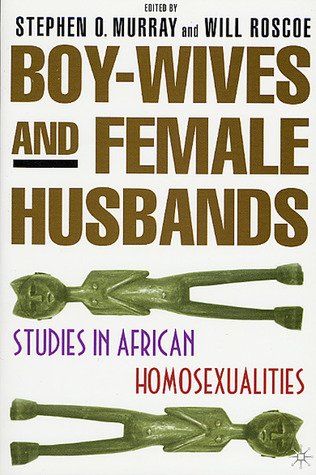
Examples include:
- One particularly explicit Bushmen painting portrays African men participating in same-sex sexual activity.
- During the late 1640s, a Dutch military attaché recorded the intriguing account of Nzinga, a formidable warrior in the Ndongo kingdom of the Mbundu. Nzinga, who held the title of ‘king’ rather than ‘queen’, adopted male attire and maintained a retinue of young men who, attired as women, served as her ‘wives’.
- In the 18th century, the anthropologist Father J-B. Labat documented the intriguing case of the Ganga-Ya-Chibanda, the presiding priest of the Giagues, a subgroup in the Congo kingdom. This priest frequently cross-dressed and was affectionately referred to as ‘grandmother’.
- In traditional Zande culture, characterized by monarchy, anthropological accounts depict homosexuality as an indigenous phenomenon. Among the Azande people of Northern Congo, it was customary for older men to ‘routinely marry’ younger men who assumed the role of temporary wives. This practice was so ingrained in their society that warriors would pay a ‘brideprice’ to the parents of the young men.
- Amongst Bantu-speaking Pouhain farmers (Bene, Bulu, Fang, Jaunde, Mokuk, Mwele, Ntum and Pangwe) in present-day Gabon and Cameroon, homosexual intercourse was referred to as bian nkû”ma – believed to be a means of acquiring wealth that was passed on through sexual relations between men.
- In Uganda, specifically among the Nilotico Lango community, men who embraced an ‘alternative gender status’ were referred to as mukodo dako. These individuals were regarded as women and were allowed to enter into marital unions with other men.
In the former Kingdom of Dahomey, women had the opportunity to serve as soldiers and, as noted by anthropologist Melville Herskovits, older women occasionally entered into marriages with younger women. In the case of the Baganda, King Mwanga II, the monarch of the Baganda people, was widely known to have been involved in sexual relationships with his male subjects.
- In 1606, a Jesuit working in Southern Africa documented encountering ‘Chibadi’, men dressed as women who adopted feminine behaviors and preferred to be identified as such, shunning traditional male appellations.
- In the early 17th century in present-day Angola, Portuguese priests Gaspar Azevereduc and Antonius Sequerius encountered men who spoke, sat, and dressed like women. These individuals engaged in marriages with men, a practice that was not only honored but also esteemed within the community.
- In Iteso communities located in northwest Kenya and Uganda, same-sex relationships involving men who presented themselves as and were embraced socially as women were not uncommon.
- Same-sex practices were also documented among the Banyoro and the Langi communities.
- In pre-colonial Benin, homosexuality was regarded as a temporary phase that boys went through and eventually outgrew.
- There were practices of female-female marriages among the Nandi and other communities.
- The Kisii of Kenya, Igbo of Nigeria, Nuer of Sudan, and Kuria of Tanzania also had instances of female-female marriages.
- Among Cape Bantu, lesbianism was associated with women in the transitional stage of becoming chief diviners, known as isanuses.
In the future, should you choose to employ biblical references to harass or gaslight individuals within the LGBTQIA+ community under the mantle of white Jesus, I urge you to contemplate this message. For if you do not uphold the archaic dictates of stoning non-virgin females on their wedding nights as prescribed in the Bible, propagated by white Jesus, one could argue that such selective adherence renders a glaring hypocrisy. Let us not presume unilateral ownership of grace, shall we? Just a candid observation.
The corroborating data facts from other sources 5 is compelling evidence you can’t ignore.
Read some more original sources here: 1 2 3 4 5 6 7
Produced by Aremuorin
Àrèmúorin is a distinguished Multi Awardee Conscious Writer and accomplished Holistic Jazz-Soul Singer-Songwriter & Producer, reigning at the No. 1 spot on the Jazz Charts for over 49 weeks. He held the top 10 spot for over 490 weeks.
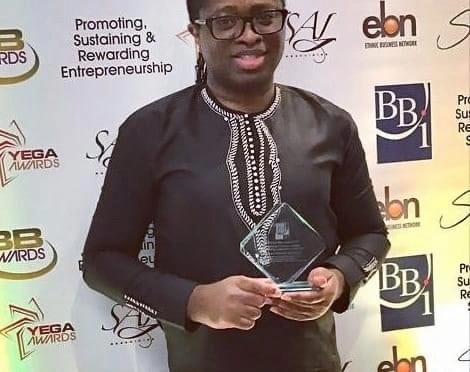
Aremuorin, a renowned polymath holding dual honorary doctoral degrees and serving as a UN Ambassador, is celebrated for his captivating musical creations and profound literary works.
Originating from Nigeria and currently situated in the United Kingdom, his artistic prowess transcends diverse creative domains, marking him as a truly versatile virtuoso.
Don’t forget to subscribe like, share or comment below. Thank You.
(C) 2024 Aremuorin – All Rights Reserved


Leave a Reply